Book Sighting

It’s always a thrill when I see one of my books hanging out in a library. Last week, while working a B-roll shoot at Bird Library at Syracuse University, I found my latest book, Poecabulary, residing in this section. I’m SU staff, not faculty or alumni, but it was exciting to find one of my books in physical form resting on a shelf, waiting to be discovered by a reader (or so one hopes).

Bird Library at Syracuse University.

Poecabulary at Bird Library.

Standard

Poecabulary Add Ons

For people in the Syracuse area, I’ll be doing a poetry reading and film screening this Saturday, Oct. 4., at 5 p.m. at Parthenon Books on Salina Street.

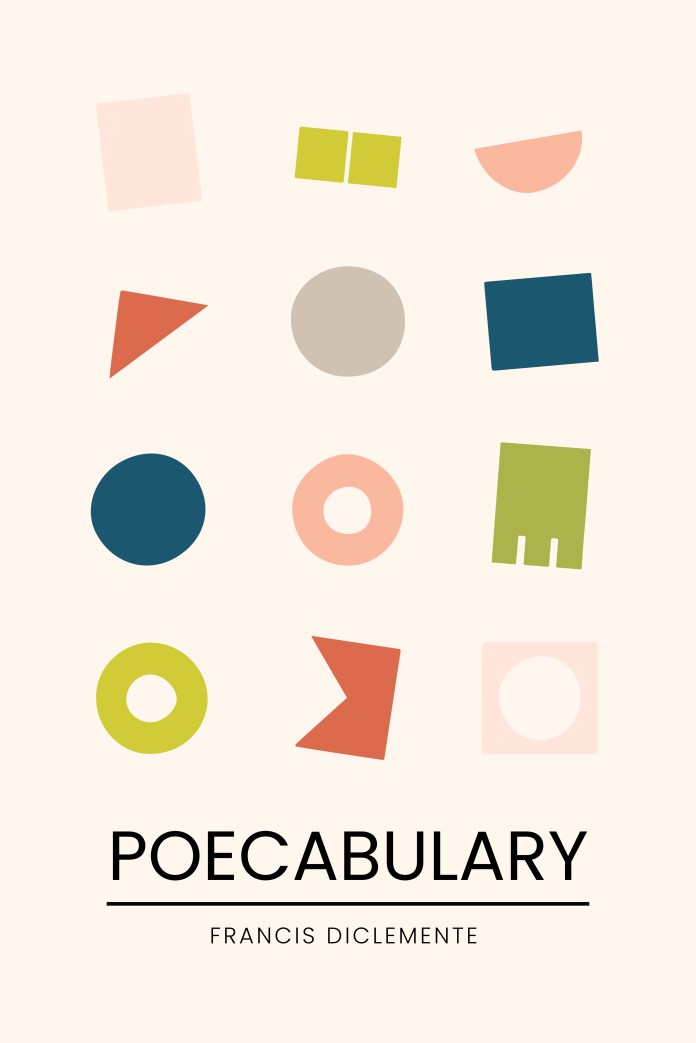
Poecabulary front cover.

I’ll talk about the genesis and evolution of my minimalistic book project Poecabulary and then screen the documentary short Ralph Rotella: The Sole of Syracuse, co-directed by my former Syracuse University colleague Shane Johnson.

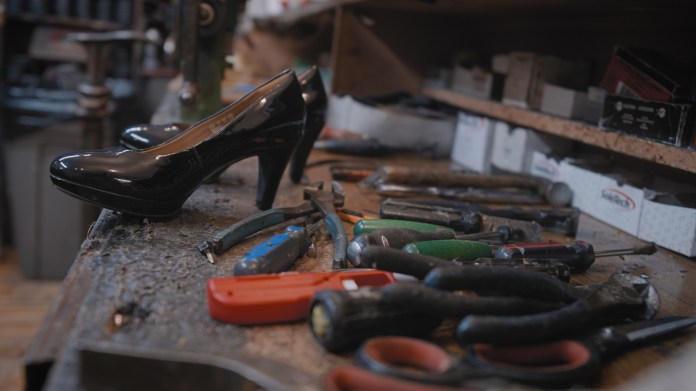
Ralph’s work bench. Photo Credit: Shane Johnson.

And speaking about Poecabulary, the book was released about three months ago. In preparing for the upcoming talk, I thought about a couple of questions I would like audience members (and you as well) to ponder: Do two words on a page constitute poetry? And can Poecabulary be considered an actual book, a real poetry collection?

And even though I succeeded in spitting these vocabulary words out of my system, I can’t stop writing down other word pairings. It’s a ceaseless literary project and an incurable disease.

So here are some other combinations that have emerged since the book’s publication in June.

Alfresco
Alfredo

Adversary
Anniversary

Ample
Amble

Below
Bowel

Cancel
Cancer

Death
Dearth

Density
Destiny

Erotic
Erratic

Fruitful
Futile

Garret
Garrote

Harass
Harness

Honor
Horror

Impotent
Important

Inventive
Invective

Manic
Magic

Monetary
Monitory

Parish
Perish

Passivity
Positivity

Revel
Revile

Share
Shame

Soap
Soup

Spared
Speared

Tragedy
Trajectory

Uncoupled
Uncounted

Vitreous
Virtuous

Wallet
Walleye

Widow
Window

Standard

Poecabulary Book Released

I am excited to announce the publication of my new book, a minimalistic, experimental poetry collection entitled Poecabulary.

Here is the description:

Poecabulary is a minimalist poetry collection that blurs the line between vocabulary and verse. Words appear in unexpected pairings, creating connections that surprise, challenge, and invite reflection. Each combination is a deliberate act of linguistic play, where alliteration, sound, appearance, randomness, rhyme, and meaning collide.

The author explores how similar or opposing words interact, encouraging readers to discover their interpretations and associations. Both a playful exercise and a meditation on language, Poecabulary celebrates the power and flexibility of words.

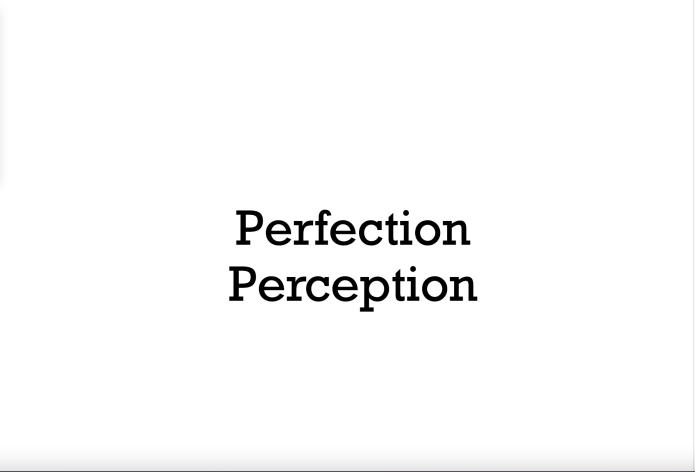
This collection will resonate with language lovers, poetry enthusiasts, and anyone curious about how words shape meaning. Sample pairings include Autistic/Artistic, Diffident/Different, Lonely/Lovely, Perfection/Perception, and Reject/Respect.

Poecabulary front cover.

The book began with my obsession with vocabulary and discovering connections between word pairings.

As part of my compulsive, lexical behavior, I check four different online dictionaries daily for their “Word of the Day” features:

TheFreeDictionary.com
Dictionary.com
Merriam-Webster.com
WordGenius.com

This project is an example of how the crazy ideas that percolate and fester in my brain are the ones I need to chase, since they are the ones that elevate my creativity and spur risk taking.

Here is the author’s note from the front of the book:

Obsessed with vocabulary, I created this work as wordplay—an exercise to incite imagination and elicit connections in the reader’s mind. I consider the word pairings a hybrid of vocabulary and poetry—which could be labeled as “Poecabulary” or “Voetry.”

Quite honestly, I don’t even know if you can call Poecabulary a book, but I do believe some “word nerd” readers may enjoy it. And it’s a quick read. Although it’s 190 pages long, the word count is less than 650.

I would also love to collaborate with a visual artist who could make large-scale paintings featuring select word pairings from the collection. I could see the text-based works hanging in a gallery space.

Here are a few of my favorite word combinations:

Autistic/Artistic

Diffident/Different

Lonely/Lovely

Perfection/Perception

Reject/Respect

Standard

Book Giveaway

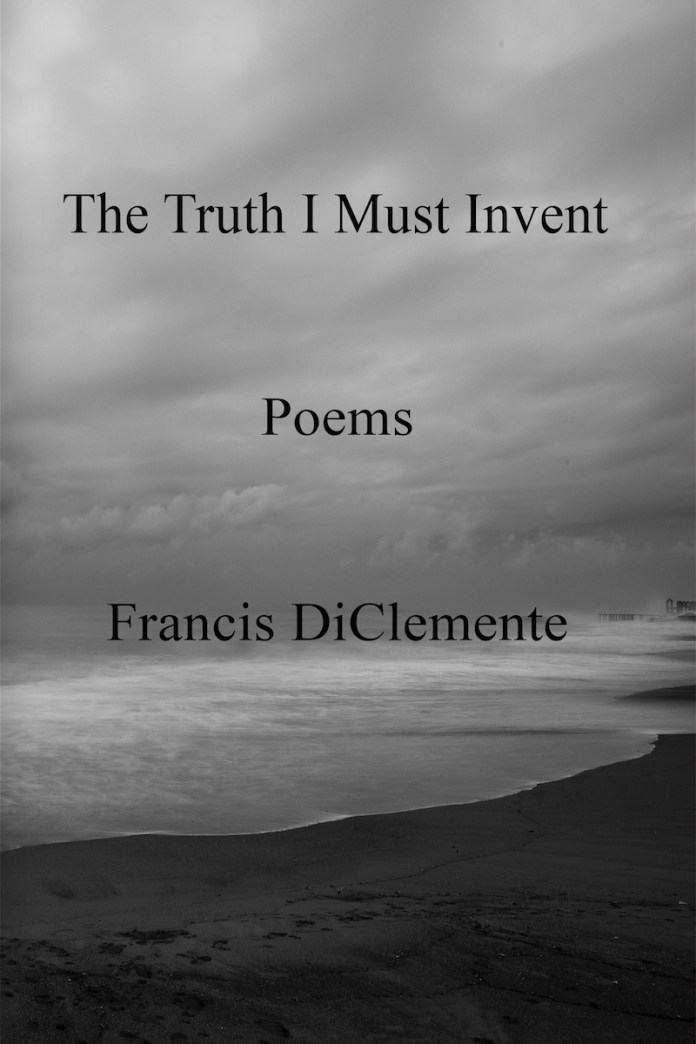
This week marks two years since my last poetry collection, The Truth I Must Invent, was released. The book is available from the publisher, Poets Choice. You can also find it on Bookshop and a Kindle version on Amazon.

The Truth I Must Invent is a collection of narrative and philosophical poems written in free-verse style. The book explores the themes of self, identity, loneliness, memory, existence, family, parenthood, disability, gratitude, and compassion.

I am giving away three print copies of the book, which I will mail to anyone in the U.S. You can use the contact form or email me directly at the gmail address listed in the form.

The Truth I Must Invent book cover.

Selections from the collection:

Man Inside Nighthawks

I assume I was nothing
before I found myself sitting here,
staring straight ahead.

I can’t move my head.
I can’t smoke the cigarette
pressed between the fingers
of my right hand or drink the cup
of coffee resting on top of the counter.
I can’t touch the woman seated next to me
or talk to the other men in the diner.

This is my life: suspended in warm, yellow light,
trapped in a soundless environment—
no water running, no fan whirring, or grill sizzling.
No sirens or street sounds beyond the glass.

Time drags on with no discernible shift—
no transition to morning.
Here, night never ends.

Yet my mind still works.
In fact, it never stops.
I’m cursed with thoughts that run continuously.

Why am I here?
And where exactly is here?
What purpose do I serve?

Do I have a past? Did I live elsewhere,
before I became frozen in this moment—
captured and imprisoned for eternity?

If only I could talk.
If only I could open my lips and make a sound.
Then I could scream for help.
But who would hear my voice?

If only I could stand up
and walk around,
stretch my legs and
stare outside the window.

But since I can’t move,
the composition will remain unaltered,
as I will stay locked in place
inside this painting,
hanging on a gallery wall.

Looking Through Spindles

I climb out of bed and clutch
the white balusters at the top of the stairs
as harsh words fly behind walls
too thin to hold my parents’ rage.

My sister creeps out of her room,
shrugs her shoulders,
and moves toward me in the hallway,
passing the door to the master bedroom.
She sits down next to me
and whispers, “What happened now?”
“I don’t know,” I say.
And we listen for clues, trying to determine
the cause of the latest fight.

Did Dad come to bed drunk
and make advances on our mother?
Did she recoil or lash out, scratching his eyes?
But we hear no violent action
on the other side of the white door—
only voices laced with acrimony.
And we remain seated on the stairs,
exhausted but unable to fall back asleep.

Zooming out, I see those siblings
in a Polaroid image, sealed under a plastic sheet
in a leather-bound photo album.
And as the adult looking back,
breaking the fourth wall,
I wonder why this memory pricks my brain
when so many others would illuminate my parents’
kindness, decency, and exemplary work ethic.
Why, when I could have chosen from
a myriad of positive scenarios,
does this one seize my attention,
demanding to be chronicled?

My mother and father are both dead
and can’t defend their actions.
And I feel riddled with guilt
for tarnishing their memories.
I also understand that the truth
doesn’t always tell the full story.
My conscience obligates me to explain that
while Mom and Dad weren’t perfect,
they loved us and endured sacrifices
to make our lives a little better.
And while that’s a weak way to end a poem,
the wider perspective allows me to
forgive my mother and father for being human—
for being real people and not just my parents.

Craniopharyngioma (Youthful Diary Entry)

Craniopharyngioma gave me
an excuse for being unattractive.
I had a problem inside my head.
It wasn’t my fault
I stood four foot eight inches tall
and looked like I was
twelve years old instead of eighteen—
and then nineteen
instead of twenty-four.
I couldn’t be blamed for
my sans-testosterone body
straddling the line
between male and female.

The brain tumor
spurred questions
about my appearance,
aroused ridicule,
and provoked sympathy.
I heard voices whispering:
“Guess how old that guy is?”
And, “Is that a dude or a chick?”

And while I waited for my
body to mature, to fall in line,
and to achieve normal progression,
I remember wishing the surgeons
had left the scalpel
inside my skull
before they closed me up,
knitting the stitches
from ear to ear.

I prayed the scalpel
would twist and twirl
while I slept at night—
carving my brain
like a jack-o’-lantern—
splitting the left and right
hemispheres,
and effacing the memory
of my existence.

Mattress Moment

You don’t get to cry
“No Fair”
Mr. Hyman Roth.

This is the life
you have chosen.

You don’t get to pine
for your salad days,
whatever the fuck that means.

You don’t get to
flip over the mattress
on the bed you’ve made.

The Wanting is the Hardest Part

Tom Petty was wrong.
The waiting isn’t the hardest part.
The wanting is the hardest part.

Wanting fucks everything up—
wanting a better job, a better marriage,
a better house, a better life.
That seed of desire fucks with your head,
makes you think you can be something you’re not.

What if I discarded desire? What if stopped wanting?
What if I no longer sought a better life?
Can I let go of that fantasy
and accept who I am right now,
without seeking a better version of myself—
the idealized me I hold inside my head?

Resolution

You must
Live the life
You have

And not
The one
You want.

Witness

I look up as a group of birds
circles buildings in downtown Syracuse.
I resist the urge to pull out my cellphone
and snap a picture for Instagram.

Instead, I hold my gaze skyward,
letting the wind swirl around my face
and the rain patter my forehead,
as the birds duck in unison
behind a limestone structure—
the moment preserved nowhere except in my mind.

No pictures retained or sound recorded.
No trace of the birds in digital form.
And I think that’s the point, that’s life—
a collection of these impromptu glimpses of existence,
built into a collage, a kaleidoscope of images
demanding attention when presented.

Crying at Bedtime

Nothing prepares a parent
for the tantrums of an autistic child.
There’s no well of patience to draw from.
You adapt. You divert. You distract.
You do whatever it takes to calm the child down—
until you earn that blessed moment of peace,
when his eyelids drop and he drifts off to sleep,
his small body folded in the cradle of your arms.

Fingers in Hair

I run my fingers through
my son’s tangled mop of brown hair
as he lies next to me in bed.
It’s 4:30 a.m. and we can’t fall asleep.

He waves his hands in front of his eyes,
making stimming motions,
and I imagine his head slamming
against the windshield,
a spiderweb crack forming
in the sheet of glass and
blood pouring from
an opening in his skull.

I press my hand to his head
to try to stop the bleeding,
but the crimson liquid
slips through my fingers
and stains the carpet
and fabric seat covers.

I am reminded of a
Gospel passage (Luke 12:7 NIV):
“Indeed, the very hairs
of your head are all numbered.”

I hold some of my son’s hairs
in my hand and realize
I cannot prevent a
car accident, fall, gunshot wound,
or disease from killing my son.
I can’t prolong or preserve his life.
I can only love him while he still lives.

His hands whip in front of his face,
and he prattles phrases
only he understands.
I bury my fingers deeper
into the mound of his hair and whisper,
“Come on now, sleepy time, Colin.”


Standard

Fall Book Finds

I made a couple of finds at the Little Free Library on my way home from a jog today. The classic children’s book Charlotte’s Web by E.B. White and Forever by Judy Blume were nestled in the box. I’ve been wanting to read some Judy Blume novels since watching the recent documentary Judy Blume Forever.

But this donated copy was missing the first two pages. I felt like Alvy in Annie Hall, who couldn’t watch a movie in a theater if he missed the opening credits. Fortunately, due to the power of Amazon and its “read sample” button, I scanned the first two pages of Judy’s book.

I didn’t take home the copy of Charlotte’s Web because I read the story within the last couple of years. But a note on the flip side of the front cover made me smile. It seemed like a discovery I should’ve made in late June, after the school year ended in the district, instead of in late October.

Dear Cheyenne,

It’s been a terrific year in 3rd grade.

Heart icon
Mrs. V.

It brought back fond memories of Mrs. Voisine, my third-grade teacher at DeWitt Clinton elementary school in Rome, New York. Later on, I did the math and determined that Cheyenne would have graduated high school in 2015. I wonder what she’s doing now and if Mrs. V. is still teaching.

Standard

Oh William!

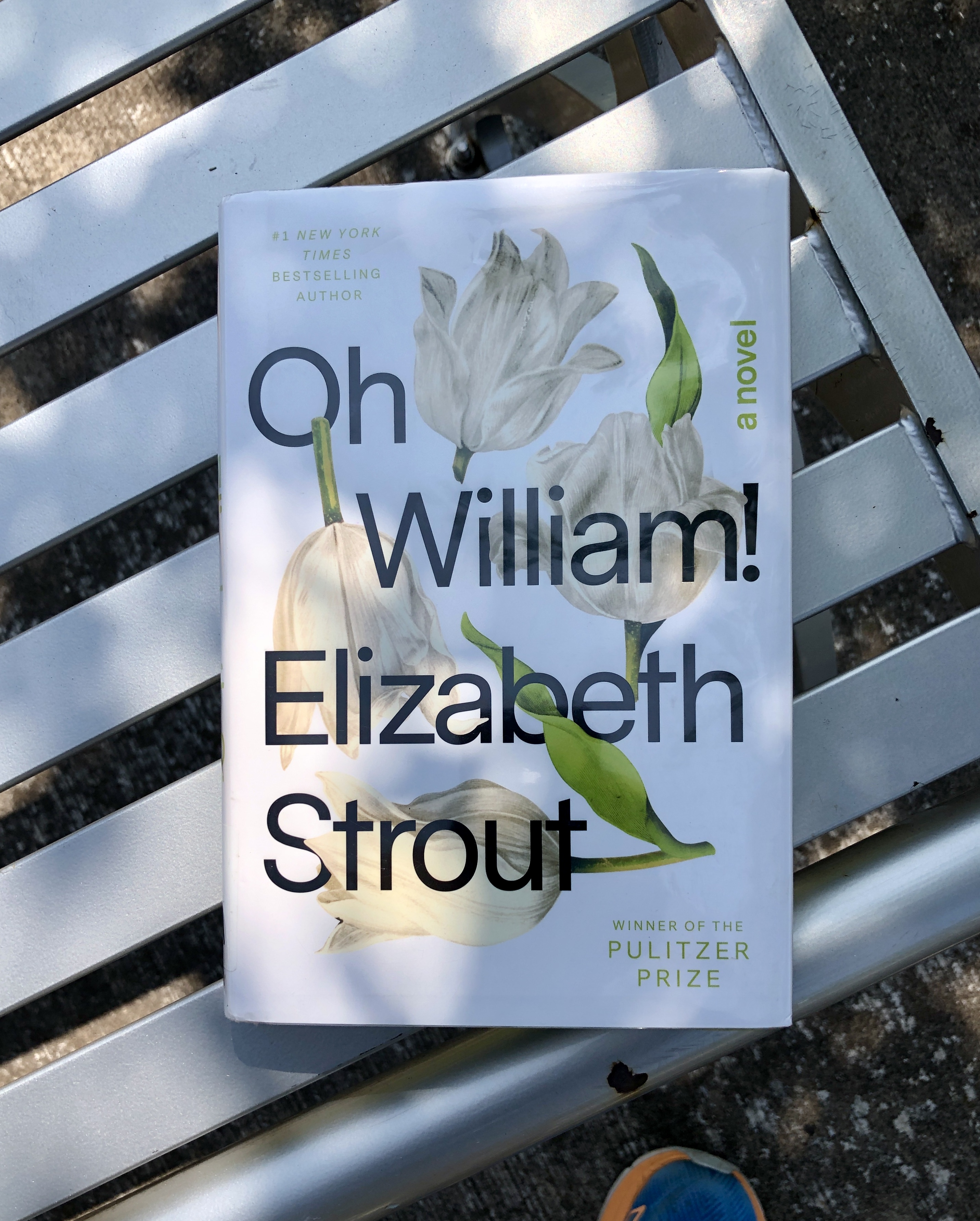
For habitual cheapskates like me, you can’t beat Little Free Library. Today while out on my run/walk, I picked up a perfect condition hardcover copy of Oh William! by Pulitzer Prize-winning author Elizabeth Strout (who is also a Syracuse University College of Law alum). The book had been languishing on my Goodreads “want to read” list for years. But now I’ve become the Fred Sanford of books, stalking the different Little Free Library sites in my surrounding area for literary steals. I do contribute some of my “read” books to the drop-off sites (but nowhere near as many volumes as I claim). Happy Sunday reading everyone.

Oh William! by Elizabeth Strout.

Standard

A Small, Good Thing

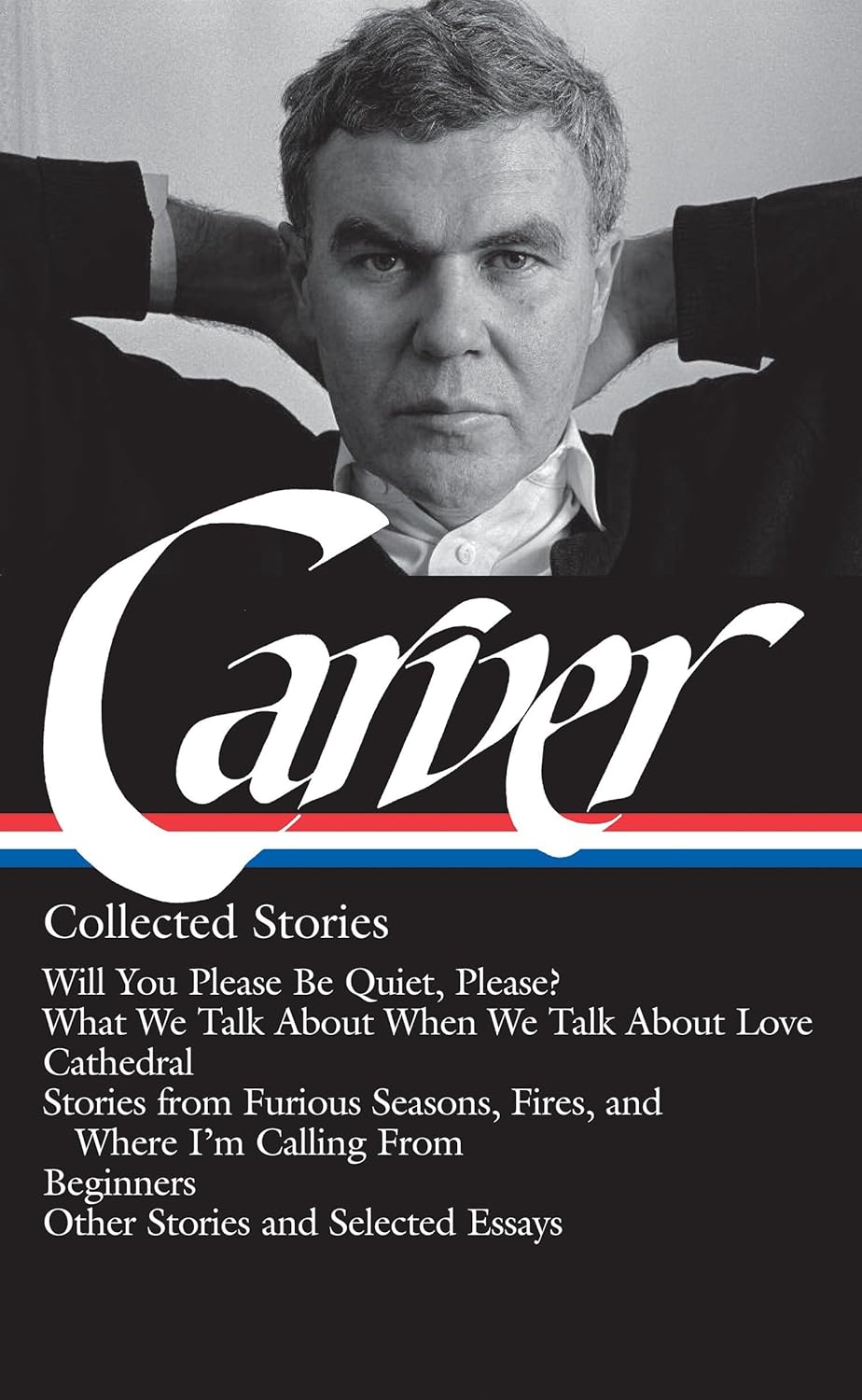
I am currently reading Raymond Carver: Collected Stories, published by the Library of America, and I wanted to share one story that I found devastating on an emotional level. You don’t have to be a parent to appreciate it, but being one heightens the intensity of the story.

I won’t go into plot summary of the story, other than to say it’s about boy who falls into coma after being struck by a car. Here’s a link to the full text.

Or, if you prefer, here’s an audio version:

Standard

Poetic Precision

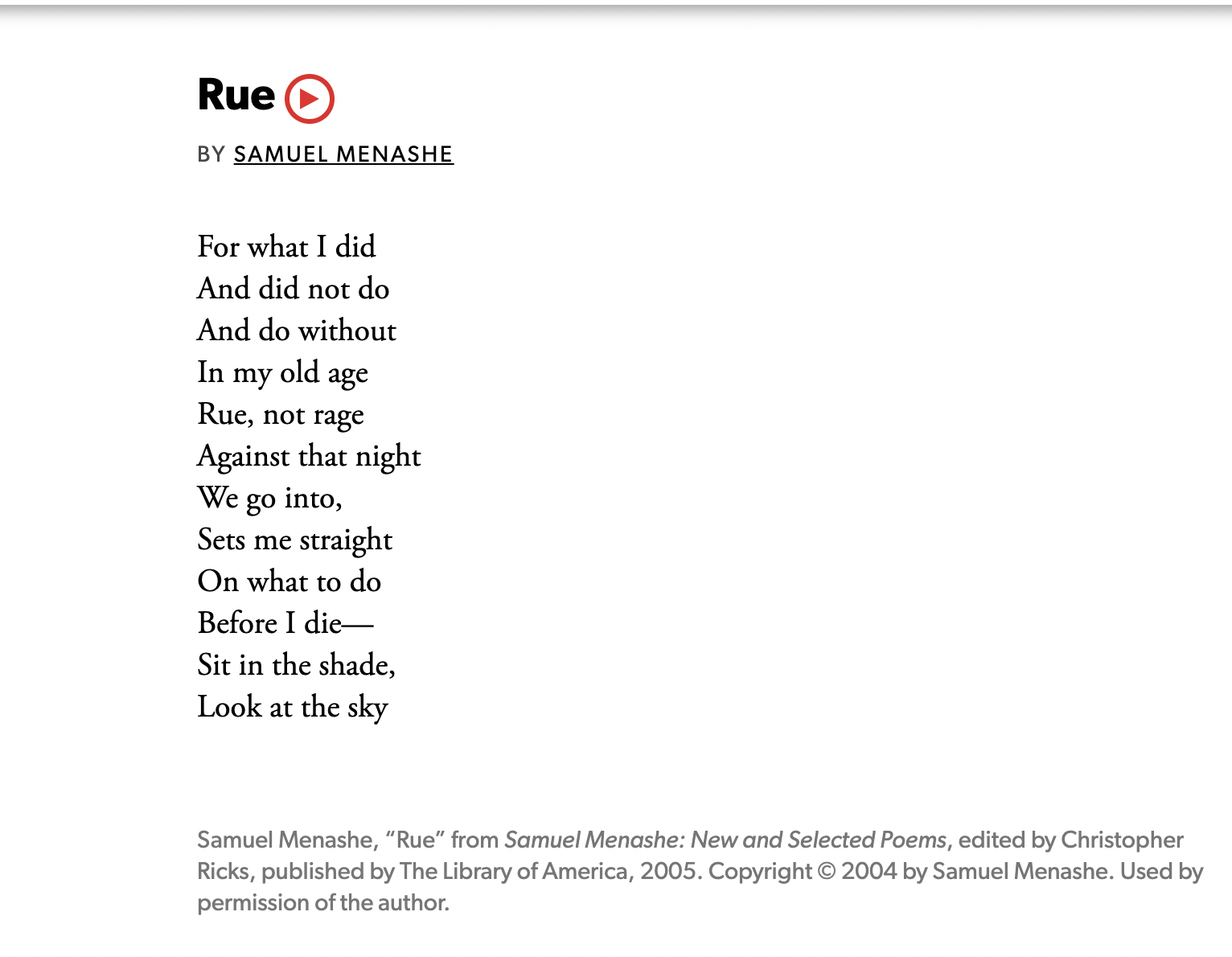
During my staycation this week, I ventured to Bird Library at SU to peruse some novels by Larry McMurtry (author of Lonesome Dove, Terms of Endearment and The Last Picture Show). I took a little literary detour when I got sidetracked in the stacks—flipping through the volume New and Selected Poems by Samuel Menashe. Menashe’s author photo caught my attention because he reminds me of a young Christopher Walken.

New and Selected Poems by Samuel Menashe.

I’m drawn to Menashe’s concise and illuminating poems that tackle the universal themes of life, death and existentialism.

Here are some of my favorite poems.

Autumn

I walk outside the stone wall
Looking into the park at night
As armed trees frisk a windfall
Down paths that lampposts light.

The Dead of Winter

In my coat I sit
At the window sill
Wintering with snow
That did not melt
It fell long ago
At night, by stealth
I was where I am
When the snow began.

The Living End

Before long the end
Of the beginning
Begins to bend
To the beginning
Of the end you live
With some misgivings
About what you did.

Grief

Disbelief
To begin with—
Later, grief
Taking root
Grapples me
Wherever I am
Branches ram
Me in my bed
You are dead.

Voyage

Water opens without end
At the bow of the ship
Rising to descend
Away from it

Days become one
I am who I was.

Passive Resistance by Samuel Menashe.

Downpour

Windowed I observe
The waning snow
As rain unearths
That raw clay—
Adam’s afterbirth—
No one escapes
I lie down, immerse
Myself in sleep
The windows weep.

Samuel Menashe: New and Selected Poems, Bloodaxe Books; revised edition (January 1, 2009).

Standard

Excerpts: Poems for Lorca

Today, I present two poems from the chapbook Poems for Lorca, written by the late Syracuse journalist Walt Shepperd. I discovered the collection in the small gift shop in ArtRage Gallery.

I mistakenly thought the title referenced Spanish poet Federico García Lorca. But in the dedication page, Walt wrote: “For my daughter Lorca.”

Poems for Lorca by Walt Shepperd.

I’ve read this first poem multiple times, and I still don’t understand its meaning. But the ambiguous nature makes me appreciate the work even more. The words first hit me when I flipped through the book while walking along Crouse Avenue after leaving ArtRage on a sunny spring day. I think the poem has a timeless, universal quality.

An Easement for the Highway in Your Mind

The tinder has dried
and bridges
roots
and the canvas
in the windowframes
of someone else’s yesterdays
smolder
from sparks
carried
on an imperceptible breeze
down a road
between
trees
and tents
and tenements
over timbers
charred beyond support
of tomorrow’s weight.

They say
you can’t go home again
and they are mostly wrong
but your return
must be guided
by bulldozer tracks
and burial mounds
and streams filled in
with silt
of ruins crumbling
from your backward glance.

##

The second poem also has a great title and a sense of mystery.

I Dreamt I Took a Two Week Vacation
in an Audrey Hepburn Movie

I never wanted birthdays
and Christmas
and mother’s day
to be what now
it seems
they must become,
excuses for remembering
that time is now a luxury.

We build new worlds
and gather things
that patch the strands
that chafe our shells
that brace our memories
into barricades
that must stand by themselves
for time is now a luxury.

The things we gather
gather dust
the barricades
won’t stand a charge
the boxes burn
the seeds grow mold
the papers crumble in the new light,
and love becomes the luxury.

Shepperd, Walt. Poems for Lorca. W.D. Hoffstadt & Sons, 2012.

I intend to place the book in a Little Free Library in my neighborhood so another reader can appreciate Walt’s words.

Standard

Goodreads Giveaway

I am giving away two signed copies of my latest poetry collection, The Truth I Must Invent. You can enter on Goodreads. The giveaway ends on Feb. 23.

The Truth I Must Invent book cover.

The Truth I Must Invent is a collection of narrative and philosophical poems written in free-verse style. Employing a minimalistic approach and whimsical language, the book explores the themes of self, identity, loneliness, memory, existence, family, parenthood, disability, gratitude, and compassion.

Standard