A Monday Kind of Poem

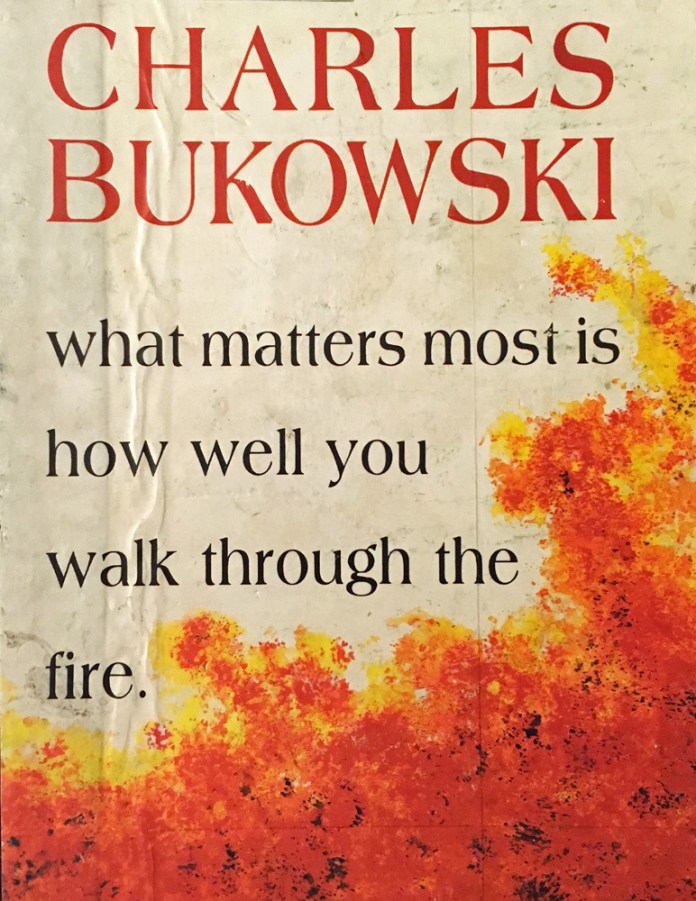
I’ve been reading another collection of poetry by Charles Bukowski that I borrowed from the library. I’m up to page 138 in What Matters Most is How Well You Walk Through the Fire, and I came across a poem Sunday evening that seems fitting for the resumption of work following a long holiday weekend.

This little verse by Buk offers inspiration to reset one’s focus and seems to urge readers to value each day above everything else.

Here it is:

This Moment

it’s a farce, the great actors, the great poets, the great
statesmen, the great painters, the great composers, the
great loves,
it’s a farce, a farce, a farce,
history and the recording of it,
forget it, forget it.

you must begin all over again.
throw all that out.
all of them out

you are alone with now.

look at you fingernails.
touch your nose.

begin.

the day flings itself upon
you.

Bukowski, Charles. What Matters Most is How Well You Walk Through the Fire.
New York: Ecco; First Edition, 2002.

Standard

Book Giveaways

Just a quick post to share some information about my latest poetry book, Sidewalk Stories, published by Kelsay Books. I have set up two giveaways: one on Amazon and one on Goodreads. No purchase is necessary. Best of luck if you decide to enter!

Standard

Two Great Ladies of Verse

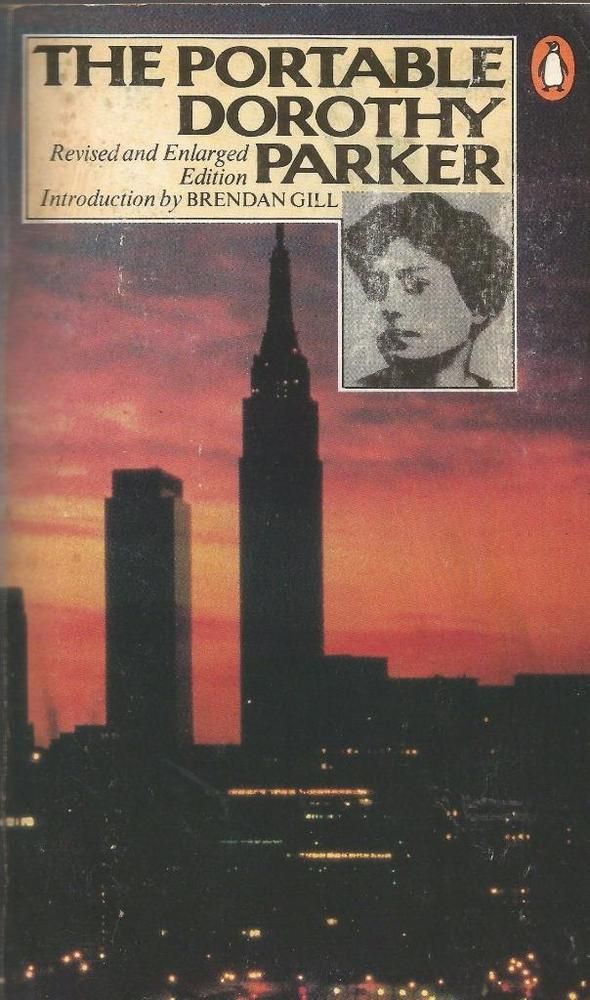
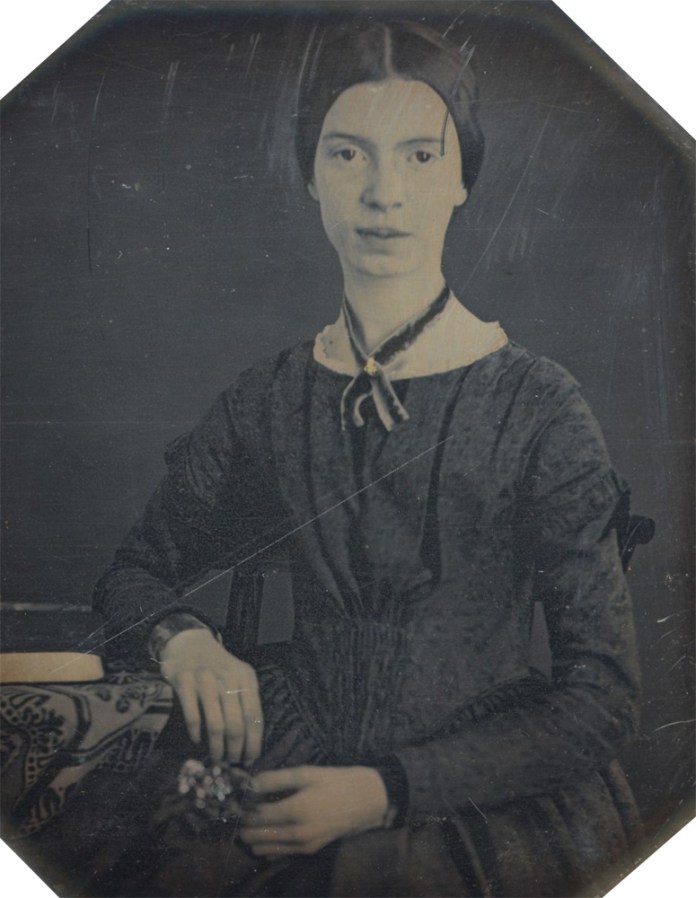
I finished reading two books recently by two female poets from the past. I had always wanted to read something by the 20th century writer Dorothy Parker, so I took out The Portable Dorothy Parker from the library. At the same time, I was reading Poems by Emily Dickinson, Three Series, Complete using the Kindle app on my iPad mini.

Parker, a member of the famed Algonquin Round Table, a group of writers who met at the Algonquin Hotel in New York City in the 1920s, was noted for her acerbic wit, cosmopolitan-themed short stories that rely on dialogue to carry the plot and poetry punctuated by both humor and pathos.

Dorothy Parker

Dorothy Parker

The Portable Dorothy Parker serves as a good introduction to the author’s work, as it contains a mix of poems, short stories, book reviews and theater criticism. The stories feel dated to the time period Parker lived, but two stories, Big Blonde and A Telephone Call, are worth checking out.

I also felt a pang of sadness when reading this line in Parker’s New York Times obituary: “Miss Parker left no survivors.” No human survivors—but she did leave behind a lot of written material to explore.

The Portable Dorothy Parker

The Portable Dorothy Parker

In both collections, Parker and Dickinson give us little gems in verse form focusing on weighty themes like life, death and love, along with observations on a myriad of other subjects.

These brief poems—gleaming verbal diamonds—carry an authentic voice and pack emotional truth, and both women knew how to play with language in such a way as to delight readers.

I picked through both volumes and selected some short poems worth sharing. They can be consumed in small bites, such as while riding public transportation or waiting in the grocery store checkout aisle.

From The Portable Dorothy Parker:

The Small Hours

No more my little song comes back;
And now of nights I lay
My head on down, to watch the black
And wait the unfailing gray.

Oh, sad are winter nights, and slow;
And sad’s a song that’s dumb;
And sad it is to lie and know
Another dawn will come.

Godspeed

Oh, seek, my love, your newer way;
I’ll not be left in sorrow.
So long as I have yesterday,
Go take your damned tomorrow!

The Thin Edge

With you, my heart is quiet here,
And all my thoughts are cool as rain.
I sit and let the shifting year
Go by before the windowpane,
And reach my hand to yours, my dear . . .
I wonder what it’s like in Spain.

Experience

Some men break your heart in two,
Some men fawn and flatter,
Some men never look at you;
And that cleans up the matter.

My Own

Then let them point my every tear,
And let them mock and moan;
Another week, another year,
And I’ll be with my own

Who slumber now by night and day
In fields of level brown;
Whose hearts within their breasts were clay
Before they laid them down.

Two-Volume Novel

The sun’s gone dim, and
The moon’s turned black;
For I loved him, and
He didn’t love back.

Rhyme Against Living

If wild my breast and sore my pride,
I bask in dreams of suicide;
If cool my heart and high my head,
I think, “How lucky are the dead!”

News Item

Men seldom make passes
At girls who wear glasses.

And lastly, the following is one of my all-time favorite poems (right up there with Paul Laurence Dunbar’s We Wear the Mask and Richard Cory by Edwin Arlington Robinson), and Parker’s piece could be considered a companion poem or a bookend to Langston Hughes’ Suicide’s Note.

Resumé

Razors pain you;
Rivers are damp;
Acids stain you;
And drugs cause cramp.
Guns aren’t lawful;
Nooses give;
Gas smells awful;
You might as well live.

Parker, Dorothy. The Portable Dorothy Parker (Revised and Enlarged Edition). New York: Penguin Books, 1976. Print.

Emily Dickinson

Emily Dickinson

And here are the selections from Poems by Emily Dickinson, Three Series, Complete:

The Mystery of Pain

Pain has an element of blank;
It cannot recollect
When it began, or if there were
A day when it was not.

It has no future but itself,
Its infinite realms contain
Its past, enlightened to perceive
New periods of pain.

With a Flower

I hide myself within my flower,
That wearing on your breast,
You, unsuspecting, wear me too—
And angels know the rest.

I hide myself within my flower,
That, fading from your vase,
You, unsuspecting, feel for me
Almost a loneliness.

I’m Nobody! Who are you?

I’m nobody! Who are you?
Are you nobody, too?
Then there’s a pair of us—don’t tell!
They’d banish us, you know.

How dreary to be somebody!
How public, like a frog
To tell your name the livelong day
To an admiring bog!

Simplicity

How happy is the little stone
That rambles in the road alone,
And doesn’t care about careers,
And exigencies never fears;
Whose coat of elemental brown
A passing universe put on;
And independent as the sun,
Associates or glows alone,
Fulfilling absolute decree
In casual simplicity.

A Word

A word is dead
When it is said,
Some say.
I say it just
Begins to live
That day.

The Inevitable

While I was fearing it, it came,
But came with less of fear,
Because that fearing it so long
Had almost made it dear.
There is a fitting a dismay,
A fitting a despair.
’Tis harder knowing it is due,
Than knowing it is here.
The trying on the utmost,
The morning it is new,
Is terribler than wearing it
A whole existence through.

Lost Faith

To lose one’s faith surpasses
The loss of an estate,
Because estates can be
Replenished, — faith cannot.

Inherited with life,
Belief but once can be;
Annihilate a single clause,
And Being’s beggary.

A Book

There is no frigate like a book
To take us lands away,
Nor any coursers like a page
Of prancing poetry.
This traverse may the poorest take
Without oppress of toll;
How frugal is the chariot
That bears a human soul!

Love

Love is anterior to life,
Posterior to death,
Initial of creation, and
The exponent of breath.

Dickinson, Emily. Poems by Emily Dickinson, Three Series, Complete. Kindle Edition.


Standard

Four Poems

Four of my poems were recently published on the website Albany Poets. And for my contribution to National Poetry Month, I have posted the poems here, along with some relevant images.

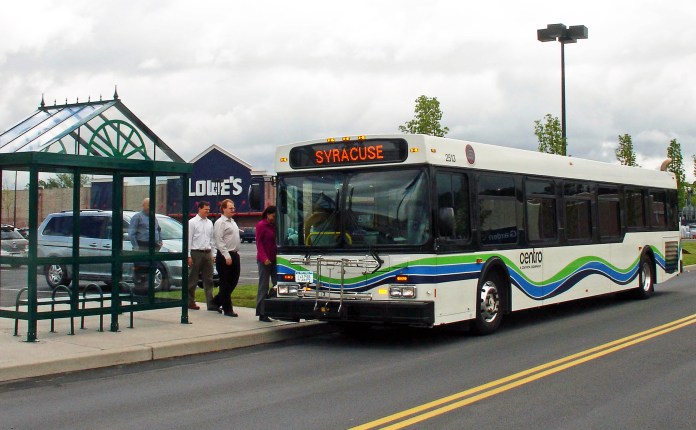
Centro Bus

Centro Bus

Taking the Bus

The blind man in the blue striped shirt
stands in front of the bus stop,
clutching a red and white
walking stick in his right hand.
He smiles as the bus’s tires roll to a stop
and the door swings open with a whooshing sound.
He climbs inside and takes a seat,
just another passenger in another vehicle
crawling along the congested thoroughfare
on this Wednesday morning commute.

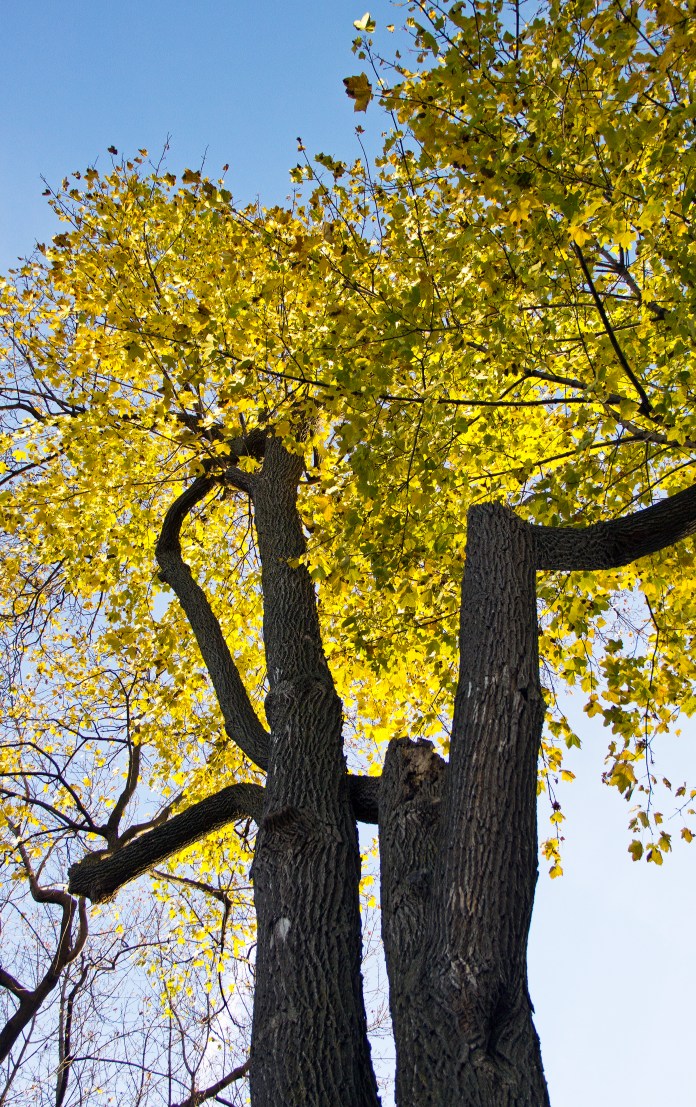
Fall Trees

Fall Trees

Falling Leaf

The golden maple leaf
fell to the ground
in front of my feet,
making a slapping sound.
It greeted me
on this frosty November morning,
reminding me that one day
I too will lie on the ground,
and others will pass by
without stopping
or looking down.

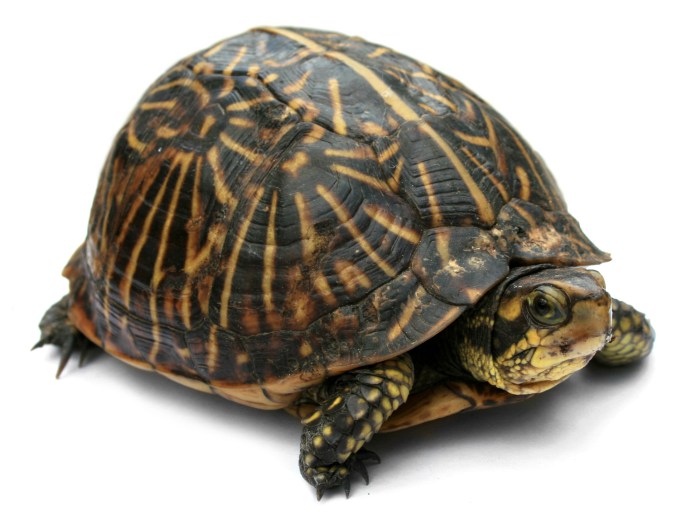
Florida box turtle. Photo by Jonathan Zander (Digon3).

Florida box turtle. Photo by Jonathan Zander (Digon3).

Hard Shell

What goes through the mind of a turtle
When it’s sprawled on its back and can’t roll over?
Does it panic as its legs squirm in the air?
Does it stick out its tongue and try to scream for help?
Does it curse its maker as it writhes on the asphalt,
With the sun scorching its belly?
How long does it wait before giving up and accepting fate?

No. This turtle does not think.
It lacks the capacity to reason.
Instincts fire as it battles to survive:
“Get off your shell. Roll over. On your feet.”
It rocks from side to side as it labors to turn over.
It strains, twists and kicks … but fails.

And no one will intervene—
There’s no Tom Sawyer kid with a hickory stick,
Skipping along and flipping the turtle over.
No semi truck rumbles down the road,
Stirring up a blast of air and setting the turtle upright.

It struggles alone, refusing to quit
As it attempts to conquer physics.
The turtle keeps working
Until the sun desiccates its flesh
And it releases a final breath—
A low croak that goes unheard along the deserted road.
The turtle is gone and no one witnessed the fight.

Woman walking along Genesee Street in Syracuse, New York. I snapped this photo a few years ago while standing on the front porch of my apartment building, while testing out my new Canon DSLR.

Woman walking along Genesee Street in Syracuse, New York. I snapped this photo a few years ago while standing on the front porch of my apartment building, while testing out my new DSLR.

Stooped

An old woman hunched over,
looking down at the sidewalk,
adjusting her knit hat.
She limps forward,
shuffling along,
riddled with pain.
Her face reveals
the hurt she endures.
She receives no aid,
no intercession from human or heaven.
I pass her on the sidewalk,
and I say a quick prayer
that her suffering wanes.
It may not do any good,
but I send the thought aloft
and hope someone is listening.
The woman crosses the street
and fades out of sight.
I then hear an inner voice say,
“You were there,
you could have helped her.”

Standard

Planting Wild Grapes by Kathleen Kramer

Ithaca, New York-area poet and playwright Kathleen Kramer has published a new full-length collection of poems, entitled Planting Wild Grapes (Yesteryear Publishing).
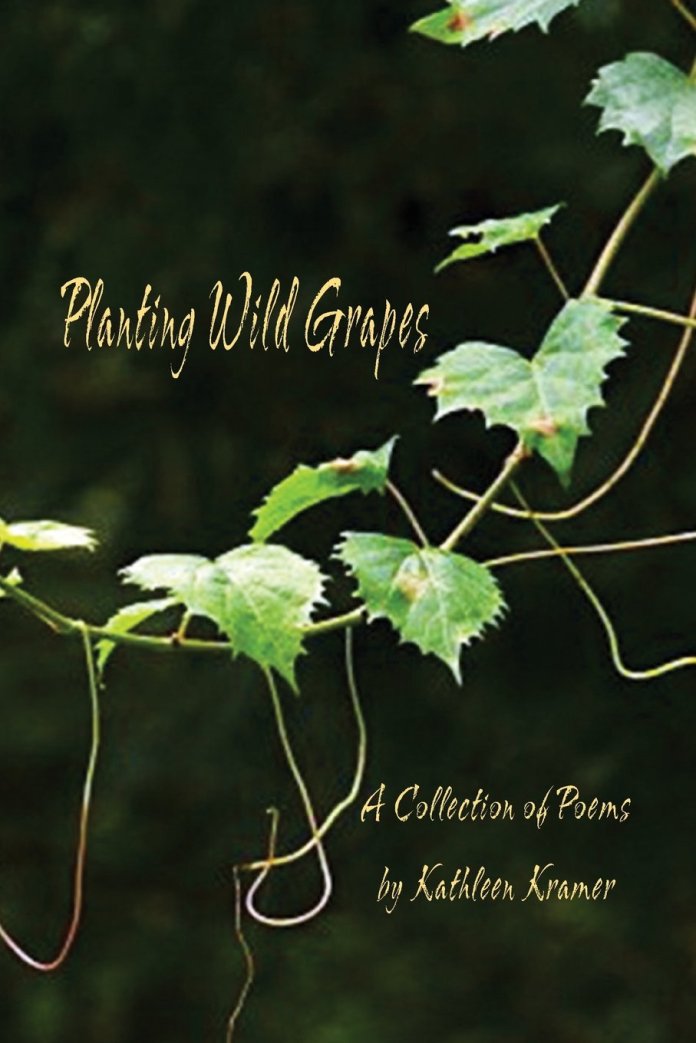
Planting Wild Grapes by Kathleen Kramer. Cover and book design by E. Nan Edmunds. Cover photograph by Green Deane.

Cover and book design by E. Nan Edmunds. Cover photograph by Green Deane.

I became acquainted with Kathleen through our mutual connection with the Syracuse writing group Armory Square Playwrights, and I consider her a friend and a writing confidant.

I was honored when she asked me to write a “blurb” for the back of her book, and I read the collection in galley form via PDF. Holding the hard copy now, I am looking forward to taking my time in reading the printed version; I want to sift through each line of text and let the words and their meanings linger in my mind.
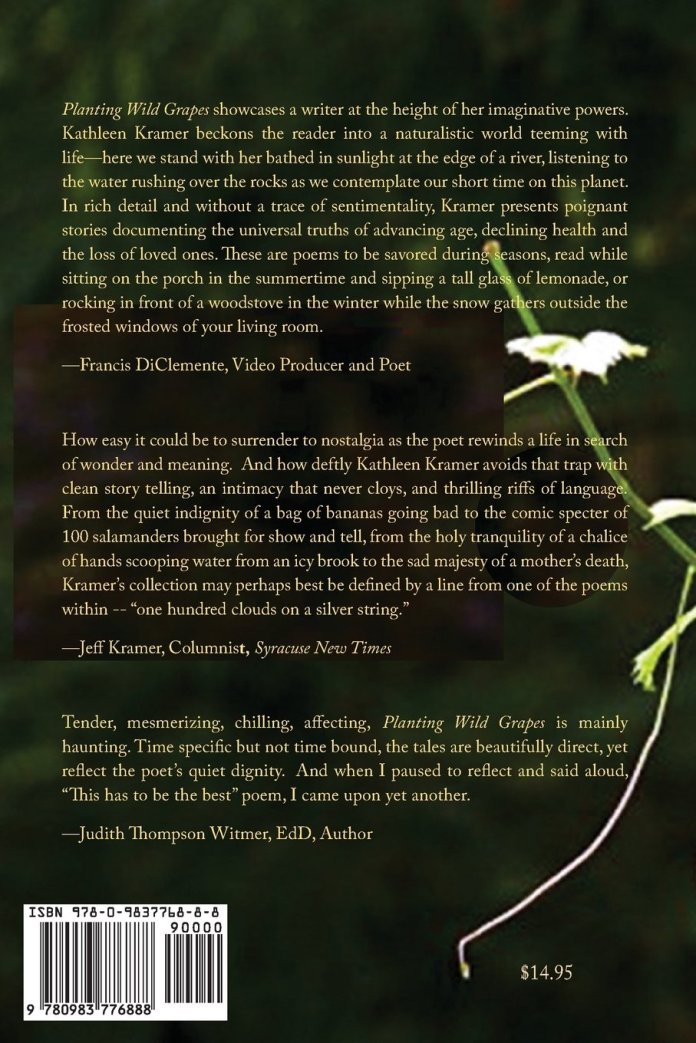
Planting Wild Grapes by Kathleen Kramer. Cover and book design by E. Nan Edmunds. Cover photograph by Green Deane.

Kramer is the author of a poetry chapbook, Inside the Stone (Ithaca Writers’ Association/JK Publications), and a previous full-length collection, Boiled Potato Blues (Vista Periodista). Her poems have appeared in The Comstock Review, Passager, Avocet, a Journal of Nature Poems, The Healing Muse and other publications. And her plays have been presented regionally in central New York, as well as in the Midwest and in Canada.
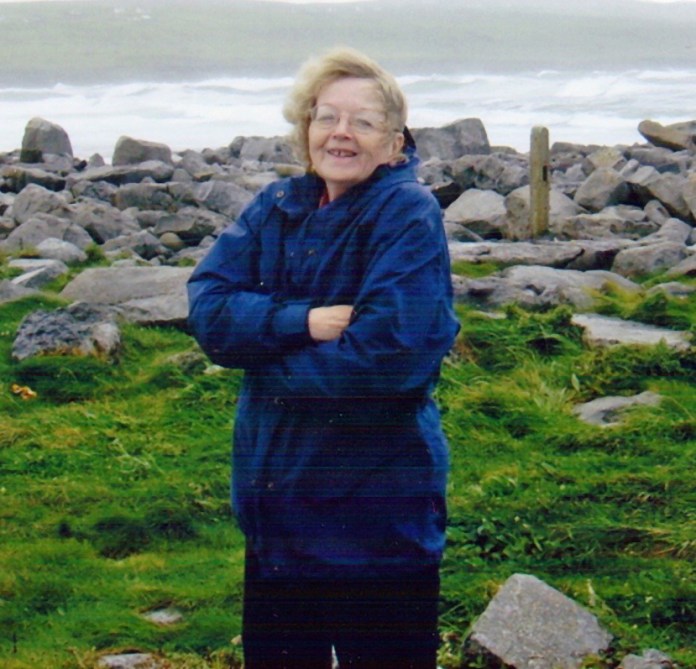
Kathleen Kramer in Ireland.

Kathleen Kramer in Ireland. Photo by Jack Kramer.

Here is her biography from the interior of the book:

Growing up in Pennsylvania’s coalmining and farming region, Kathleen Kramer’s early life was influenced by the solidity of the earth and the rhythm of seasons.

At 19, she left for the city and spent five years working in Washington, DC for the Department of Defense. There followed a stint in Maine where subsistence farming took her back to the land. A second marriage brought her to Long Island, where she and her husband Jack reared their three sons in Northport, a small town on Long Island Sound. During that time and over a period of 10 years of balancing classes, family and work, Kathy earned a BA at Empire State College and an MLS at C.W. Post.

Now, following retirement from the Boyce Thompson Institute at Cornell, Kathy lives with her husband in New York’s Finger Lakes area where she writes poetry and plays. Again, the natural world and changing seasons have assumed center stage. It’s these foundational elements and the strength of generational ties which largely inform Kathy’s poems.

##

And in this interview, Kramer talks about her book and discusses the motivations that propel her writing. I hope you come to appreciate this artist and her work as much as I do.

Can you give a brief description of this collection of poems?  

These poems were written over a period of years and each represents a moment in time when something that seemed important was recognized. Most often, however, the actual moment was, on the surface, quite ordinary. It’s the extraordinariness of the ordinary that moves me. I’ve tried to capture that in these poems.

Not all of these poems address this directly, but I view each one as I might a handcrafted bead: each has its own shape and color and when strung together, they create a necklace that, for me, speaks of wonder and meaning, embracing both good times and hard times.

What do you hope readers will take away from your book?

This collection tries to do a few different things. It explores the enigmatic title, Planting Wild Grapes, which was given to me in a vivid dream. It seeks to illustrate what I think is required of us as finite beings—to engage in our lives as deeply and meaningfully as we can and then, when the times comes, to release them with thanksgiving and grace. It is my hope that the reader will come away from reading this book with a sense of the wonder and meaning in his or her own life.

What do you enjoy most about writing poetry?

For me, writing poetry has been a connection not only to my inner self and to the natural world, but also to something beyond myself. At the risk of sounding grandiose or pious, I believe creativity and the divine are interwoven. When I can touch that moment as I write a poem, I feel exceptionally blessed.

I’m sure it varies with each poem, but can you describe your typical process for constructing poems—from the moment you get an idea for a work until the final revision?

First of all, who knows where the idea for a poem comes from? Sometimes it’s a snatch of overheard conversation. Sometimes it’s a word or line from someone else’s poem or a flash of memory. Often it’s an experience of being with another person and knowing the tie between you is precious. It’s being outdoors and sensing the wholeness. Regardless of where it comes from, there’s a little “thrill,” like a tiny, soundless bell that rings and says, “Follow this one.”

Then I start to write. I write by hand and I almost always go out of my house to write; I especially like to write in cemeteries. (Very quiet and no one interrupts!) When I have a rough sketch of the poem, I go home and type it into my computer, where it’s easier to shape it on the page.

I’m fortunate to be a member of a poetry group, The High Noon Poets. We meet twice a month and it’s there that we each have our poems critiqued. We’re free to accept the suggestions made or to reject them. Often, even if I feel resistant at first, by the time I’m home again, I’m seeing the wisdom of those suggestions.

How does writing poetry compare to writing plays? Do you have a preference? 

What strikes me most are the similarities. In my opinion, both demand an economy of language. Every word must carry its own weight. Sometimes, a word might be there simply because it is beautiful, and if that isn’t overdone, it adds to the whole and, indeed, carries its own weight.

I like writing both poetry and plays. One of the pleasures of playwriting is the characters one can create. They become real and will often tell me what they will or won’t say or do.

However, I think I have a slight preference for writing poetry. There’s satisfaction in writing a single, well-crafted poem. It can stand on its own. There’s no need to sustain a long narrative, yet if the poet creates a number of poems, giving each a shape and color of its own, together, they can tell the story of a life or a time.

What’s next for you in terms of writing projects?

I’ll continue to write poems and, occasionally, plays—I must, in order to be happy—but for a time now, my main focus will be on doing readings and trying in whatever ways I can to share my pleasure in this new book, Planting Wild Grapes.

Kathleen Kramer reading a poem at an event. Photo by Debbie Rexine for The Healing Muse.

Kathleen Kramer reading a poem at an event. Photo by Debbie Rexine for The Healing Muse.

##

Here are two excerpts from Planting Wild Grapes (reprinted with the permission of the author and Yesteryear Publishing).

Planting Wild Grapes

Every day at dawn I go down to the river,
fill my bucket to the brim and wash stones.
Big or small, I take all that come to hand,
dip them in my pail, rub them between my palms
and drop them back into the river. I listen
for the satisfying sound—the watery thunk—
as they settle among their fellows.

At mid-day I wade the waves of goldenrod
to the center of the sunny field behind the barn.
Beneath my feet, my shadow crouches,
small and black. The candle in my hand
stands tall, like me, its wick waiting for
the match, prepared to be proud of a flame
invisible in the noonday light.

Sunset finds me again at river’s edge, a teacup
cradled in my hands. It holds rainwater caught
in the downpour at dinnertime. I lift it up
to the sinking sun, see the rim turn gold,
then tip the cup, spilling rain into the river.
Tomorrow, if I keep to my course,
there will be time to plant wild grapes.

Still

When we noticed lunchtime voices
in the hall, the ding of a call button,
squeak of rubber soles on tile floors,

we knew the sound of her breathing
had ceased. For long moments,

her shoulder, under my hand,
remained warm. Then a stillness,
profound and deep, came upon her—

not of worldly sleep but
of rest unbounded by time.

All her ailments, her frailties,
fell away and the wholeness…
the holiness… which remained

gave her back to us
as she was, as she is.

##

Readers can find Kramer’s 96-page collection on Amazon. And the book is also available at Buffalo Street Books in Ithaca.
Standard

Change of Seasons (The Pea Coat Poem)

I woke up with a chill this morning in my apartment, and this poem came to me.

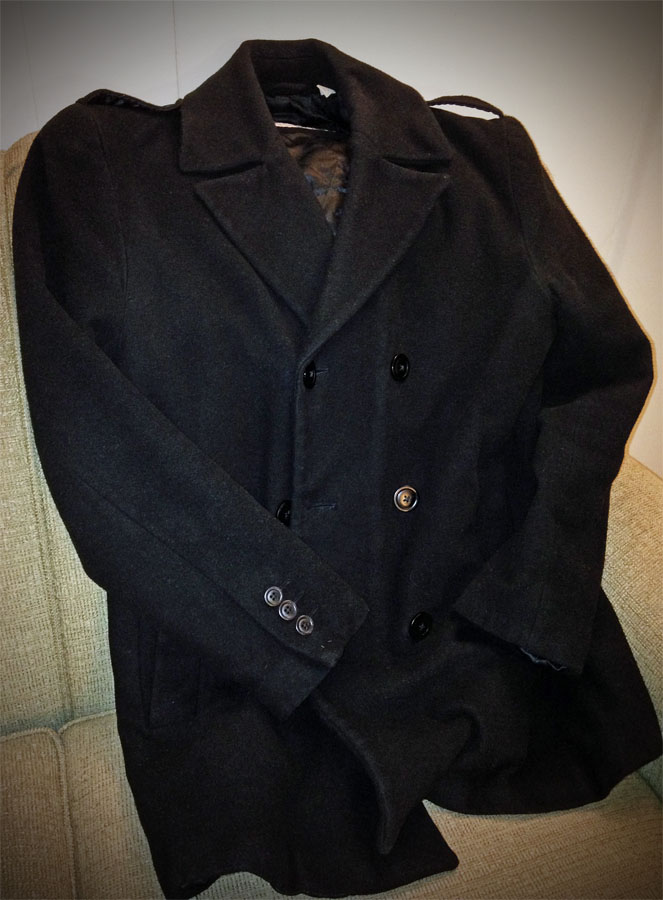
My trusty pea coat.

My trusty pea coat.

Change of Seasons (The Pea Coat Poem)

The first day of October
and temperatures dip
into the low 40s.
A feeling of utter gloom
as I reach into the shadows
of the hall closet and retrieve
my worn, black pea coat.
And so begins another
six months of winter
in Central New York.

I should be used to it by now,
but I can’t reconcile with this weather.
And my pea coat will not return
to the closet until after Easter.
So until spring arrives,
I will continue to complain
with zeal about the cold,
while making sure
to button up my coat
before I step outside
to face the elements.

Standard

An Assortment of Prose and Poetry

I haven’t had a chance to blog in a while, as I have been busy with video projects in my full-time job and a long-term writing project in my off-hours. But I wanted to point out that a couple of my stories have been published online. The first is an essay that was originally published in a Chicken Soup for the Soul anthology; it’s now posted in the Life Tips section of Medium. You can read it here.

The second story is a fantasy flash fiction piece that was originally published in the magazine The Literary Hatchet. I recently received an email from the editor of Sub-saharan Magazine, an online magazine dedicated to publishing speculative fiction with an African flavor. It was a nice surprise, having someone from across the globe read something I had written and want to use it. The editor asked if he could re-publish the story and change the characters’ names to African names so the piece would be consistent with the magazine’s mission. I said sure and the story is now online. You can read it here.

Now switching gears, I would like to mention I’ve been reading some poems by Samuel Menashe (1925-2011).

Samuel Menashe

Samuel Menashe

He was a master of compact, precise poems that leave an impact; it seems Menashe never wasted a word or wrote more than was needed to produce the desired effect. I’ve been scanning through the website Poem Hunter to read some of his works. Here are a few I found memorable:

The Living End

Before long the end
Of the beginning
Begins to bend
To the beginning
Of the end you live
With some misgivings
About what you did.

##

Rue

For what I did
And did not do
And do without
In my old age
Rue, not rage
Against that night
We go into,
Sets me straight
On what to do
Before I die—
Sit in the shade,
Look at the sky

##

Here Now

Now and again
I am here now
And now is when
I’m here again

##

I need to check out a Menashe book from the library to really probe his work; online skimming doesn’t do justice to a poet of his magnitude. Reading Menashe also brought back warm memories of when I discovered two of my all-time favorite poems—both great examples of brevity and wit. They are Langston Hughes’ Suicide’s Note and Dorothy Parker’s Resumé, and I think they resemble Menashe’s style.

Suicide’s Note

The calm,
Cool face of the river
Asked me for a kiss.

##

Resumé

Razors pain you;
Rivers are damp;
Acids stain you;
And drugs cause cramp.
Guns aren’t lawful;
Nooses give;
Gas smells awful;
You might as well live.

##

That’s it for now. I hope to come back to the blog more frequently, but alas I make no promises. Happy reading and creating.

Standard

John Horder: A Sense Of Being

I discovered a gem of a short poetry book while roaming through Syracuse University’s Bird Library in search of a Nick Hornby novel (which I was unable to find).

The book, A Sense of Being by John Horder, was published in 1968 as part of the Phoenix Living Poet Series. The book runs 40 pages and I was able to read the entire work during my lunch hour.

A Sense of Being by John Horder.

A Sense of Being by John Horder.

I couldn’t find any biographical information about Horder online, but I consider his spare, philosophical poems very moving. They made me stop and reflect on my own life and ponder the points Horder raised in his text. And that to me seems like the purpose of good poetry—to remind the reader that time is passing and our existence is fleeting.

Here are a few of my favorite selections from the book.

A Sense of Being

There is nothing in me to assure me of my being.
That is why I so often think
About my heart beating.
Nothing to do with the fear of it stopping.
It’s just it’s so hard to imagine it – beating –
Just as it’s so hard to imagine that I derive from something
That actually works. Something that lives and breathes.
Something that has a sense of its own being.
Oh, it’s so very hard to imagine these things,
And I’ve always been told I was imaginative by nature.

Imagine: a tree has roots: it knows where it springs from.
We have parents. But the orphan and the murderer have one
thing in common.
Something vital in each of them has been wiped out.
It’s hard to explain exactly what. It’s something
A word or a glance from a parent may have set in motion
Or not. It’s not that this gives a child a sense of itself
Just like that. Nothing as simple as that.
But it can be the basis. Something to start from, something
that grows
And will eventually determine who and what he’s to be
Or not to be, as the case may be. Whether he is, or is not.

##

In A Time When I Was Nothing

In a time when I was nothing
I was strangely surprised to see
My name in The Times Literary Supplement.

In a time when I was nothing
There was an emptiness both inside and outside of me
And I felt no thing substantially.

In a time when I was nothing
It was most difficult to separate past from present
And the present moment held no sway.

In a time when I was nothing
There seemed no end to this state of non-being
The bottom had been kicked away from everything.

After a long time being nothing
There came at long last a dim realization
That one day I might eventually become something.

In the time when I was no one
There was simply nothing left to give anyone
And I found myself cut off from everyone.

In the time when I was no one
I knew no man, no woman
And that was when my sense of self began.

##

Everyman’s Vietnam

Our whole lives are designed as a means of escape
From the psychic forces that are deep down within.
We do anything rather than reckon with them.

Rather naively, we make call after call
Upon the telephone, in order to try exorcise them.
These forces which if submerged, first malinger, spit out
then wear our selves thin.

We cram our lives full to the brim with work.
We come home late, too tired even to speak to our wives.
We get drunk, which only makes our ulcers more peptic,

And still these forces won’t leave us alone.
Still they will never allow us a moment of rest.
Still we give them no real means of expression.

We don’t reckon with these forces.
They are demons.
They will run us to the grave

Unless we turn them to the good.
We underestimate their power.
Most of the time, we don’t even acknowledge that
they’re there.

More fool us.

##

Not Far Of

Eternity is not far off:
On a clear day
I feel it to be
Just out of sight.

The folly of men
Is there purposefully ignoring
What is so painfully obvious
On a clear day.

Horder, John. A Sense of Being. Phoenix Living Poet Series. London: Chatto & Windus/The Hogarth Press, 1968. Print.

Standard

A Winter Verse

Sometime around Christmas I bought a used paperback copy of The Collected Poems of Wallace Stevens at a book fare in the mall.

The Collected Poems of Wallace Stevens.

The Collected Poems of Wallace Stevens.

I have too many unread books still kicking around the house, but I thought 534 pages of verse for only a dollar was too good a deal to pass up.

I’ve read some of Wallace’s work before and found him to be a challenging read because of his vocabulary and his precision with language. But I think he’s worth investing the time, and as a writer who works full time in another profession, I am inspired by the fact that Stevens spent his career as an insurance lawyer and wrote poetry on the side. You can find out more about him here.

I haven’t started reading Wallace’s book yet, as I am working through the doorstopper of a novel The Prince of Tides by Pat Conroy, but I flipped through the volume and found a poem that seems suitable for mid-January when subzero temperatures reign. Here it is:

The Snow Man

One must have a mind of winter
To regard the frost and the boughs
Of the pine-trees crusted with snow;

Tree “crusted with snow.”

And have been cold a long time
To behold the junipers shagged with ice,
The spruces rough in the distant glitter

Of the January sun; and not to think
Of any misery in the sound of the wind,
In the sound of a few leaves,

Which is the sound of the land
Full of the same wind
That is blowing in the same bare place

For the listener, who listens in the snow,
And, nothing himself, beholds
Nothing that is not there and the nothing that is.

Stevens, Wallace. The Collected Poems of Wallace Stevens. New York: Vintage Books, a division of Random House, 1982. Originally published by Alfred A. Knopf, Inc. in 1954.

Standard

Mark Strand: The Negative of Night

Over the weekend I finished reading Mark Strand’s poetry collection The Late Hour. I was introduced to the poet only after reading about his recent passing at the age of 80. Here’s the story from NPR.

The Canadian-born Strand, who was also an artist and wrote prose, was named the U.S. Poet Laureate in 1990 and won the Pulitzer Prize for poetry in 1999 for his collection Blizzard of One.

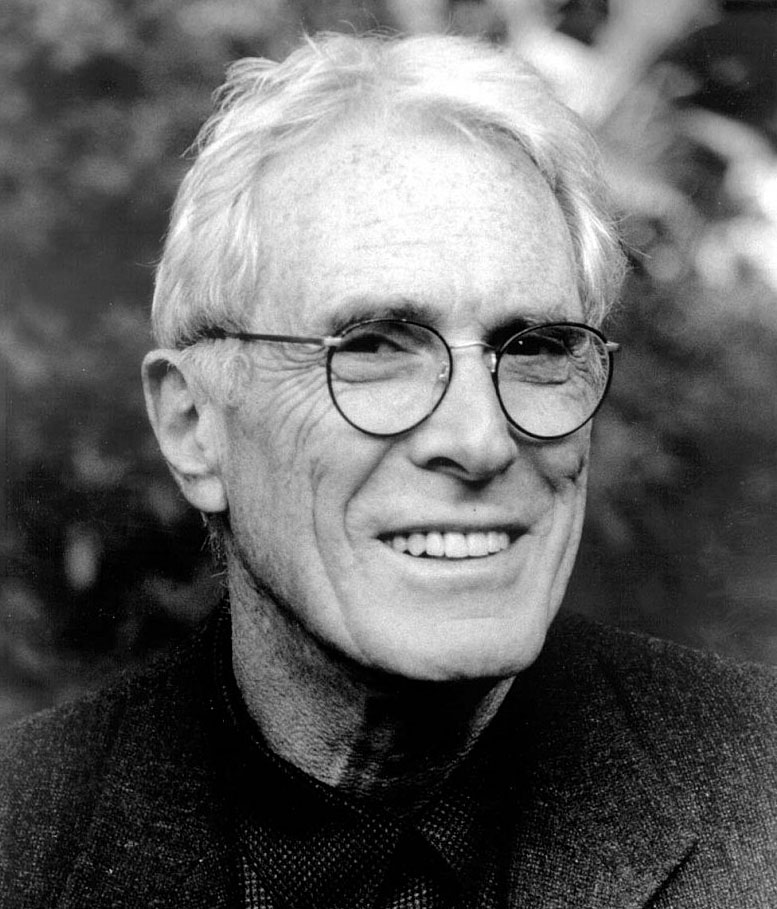
Mark Strand, 1934-2014

Mark Strand, 1934-2014

In The Late Hour, Strand writes in a spare, clear style that reaches readers on an emotional level. There’s no verbal clutter to get in the way of what Strand is trying to express; these are poems worth revisiting to ponder their meaning.

I particularly liked Snowfall. And it seems fitting to mention it as we head into the slumber of another long winter in the Syracuse area. In fact, a Winter Storm Warning remains in effect for central New York until Thursday morning, with the National Weather Service calling for eight to 12 inches of snow.

So I’ll probably think about Strand’s words as the snowfall accumulates over the next couple of days.

Snowfall

Watching the snow cover the ground, cover itself,
cover everything that is not you, you see
it is the downward drift of light
upon the sound of air sweeping away the air,
it is the fall of moments into moments, the burial
of sleep, the down of winter, the negative of night.

Another poem that caught my attention was Night Pieces, and I loved the imagery of the line, “where the dim quilted countryside seems to doze.” Here’s the full stanza.

Not only is it still a night
on deserted roads and hilltops
where the dim, quilted countryside seems to doze
as it fans out into clumps of trees dark and unbending
against the sky, with the gray dust of moonlight upon them,

Strand, Mark. The Late Hour. New York: Atheneum, 1979.

To read more about Mark Strand, visit his page at the Poetry Foundation’s website.

Standard