My New Year’s Resolution

I usually don’t make New Year’s resolutions, but this one came to me amid my battle with a post-Christmas stomach bug (maybe norovirus). In my febrile state, I told myself, “I will stop looking back on the past with regret.”

As someone who writes memoir, I often live in the past—reviewing incidents and conversations that occurred years and decades ago and trying to cull sensory details from those moments to make scenes come alive on the page. So I spend a lot of time on yesterday. My office is overflowing with manuscripts documenting countless yesterdays.

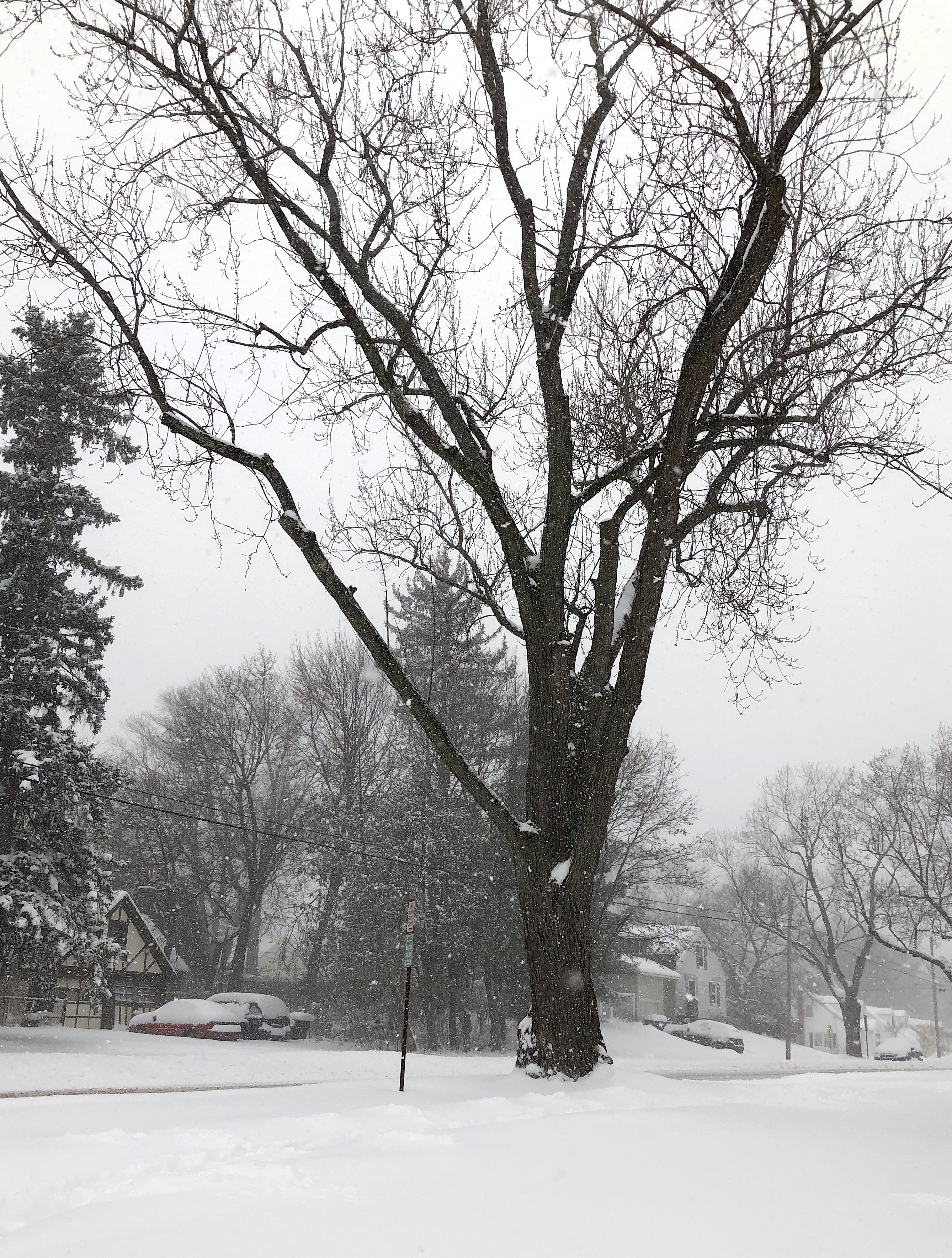
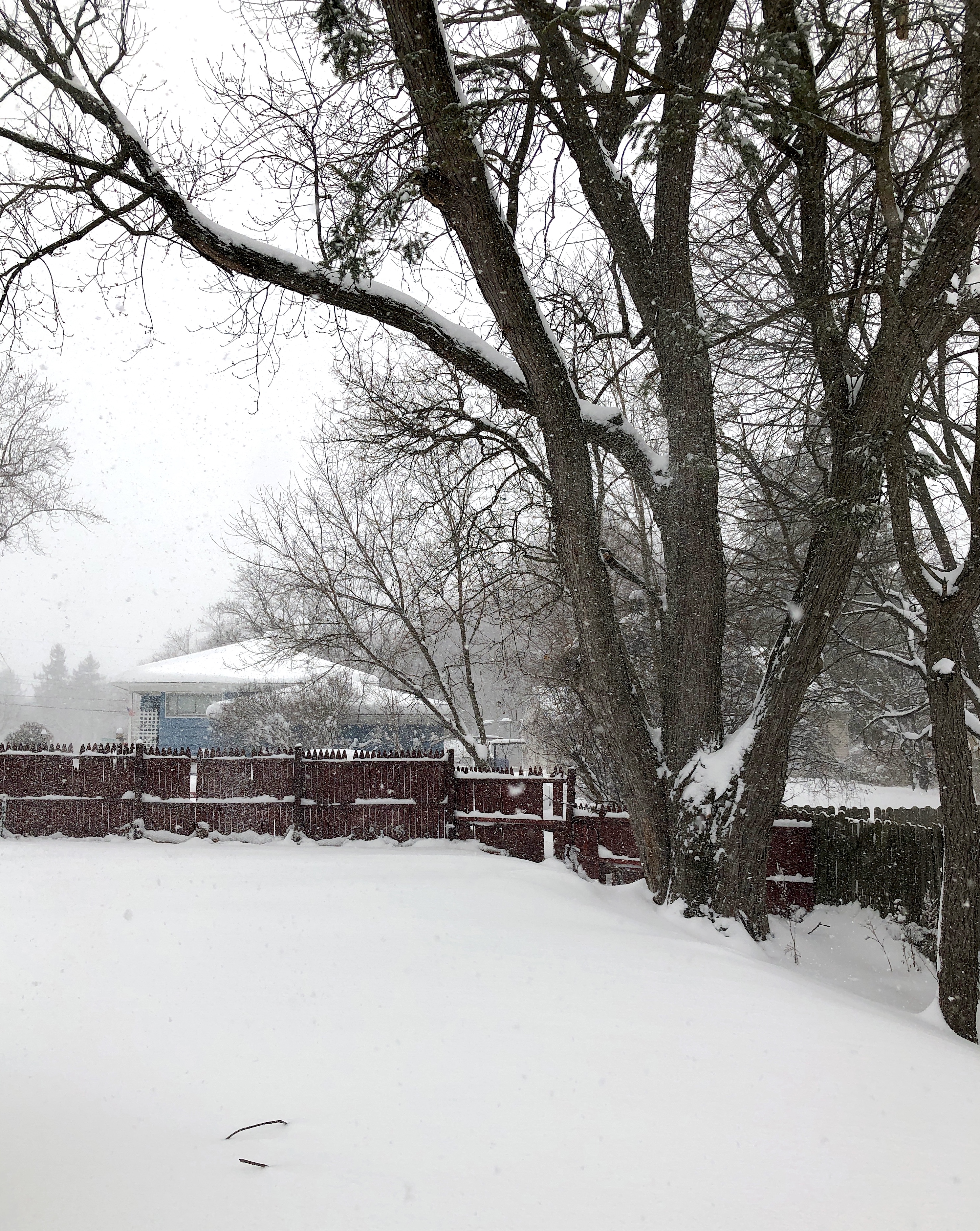
A tree in my neighborhood, observed on Dec. 31, 2024.

But for my 2025 New Year’s resolution, I will attempt to stop that negative line of thought regarding “what could’ve been.” I will instruct myself to stop replaying the poor decisions I made in my progression from boy to man.

And I do have regrets. Many. Most nettlesome are the ones where I let fear stand in the way of opportunity—when I was too frightened to take a risk, either professionally or personally. Some of those decisions still haunt me. In this previous blog post, I wrote about my regret about not moving to California after graduating from college.

But in my sickened state, while I tossed and turned in my son’s twin bed—separated from my wife and son so as not to infect them—I thought, “What have all these regrets done for me?” They certainly don’t make the present more bearable or the future more promising. So why hold on to them?

So in 2025, when I get that tickling of regret inside my brain, I will try to shut it down before it festers.

And one of the poems from my collection The Truth I Must Invent seems fitting for me on this New Year’s Eve. I wish everyone a safe and happy New Year. The poem follows. And I apologize for the profanity, but a clean word replacement wouldn’t have the same effect.

The Wanting is the Hardest Part

Tom Petty was wrong.
The waiting isn’t the hardest part.
The wanting is the hardest part.

Wanting fucks everything up—
wanting a better job, a better marriage,
a better house, a better life.
That seed of desire fucks with your head,
makes you think you can be something you’re not.

What if I discarded desire? What if I stopped wanting?
What if I no longer sought a better life?
Can I let go of that fantasy
and accept who I am right now,
without seeking a better version of myself—
the idealized me I hold inside my head?

Standard

A Post-Christmas Poem

December 26

December 26th is
the most dreaded
day of the year.
All the anticipation
of Christmas
has now passed.
The turkey stuffed,
cooked and consumed.
Tins of cookies devoured,
packages ripped apart,
wine bottles drained—
bellies full and
waistlines expanded.

It’s back to work,
with a fat credit card
statement delivered
securely to your inbox.
And yes, you can still say
“Happy Holidays,”
but it doesn’t have
the same ring
on the day
after Christmas.
And New Year’s Day
is a distant cousin
of Christmas—
with January 1st
lacking the allure
and magic of
December 25th.

Standard

Memories of My Mother

My mother passed away from lung cancer thirteen years ago today. It’s hard to believe she’s been gone that long. When Carmella died, I was recovering from transsphenoidal brain surgery (through the nose) and couldn’t attend her wake or funeral mass. The surgeons instructed me to avoid blowing my nose for at least eight weeks, and I was concerned about getting emotional at the services and springing a cerebral spinal fluid leak.

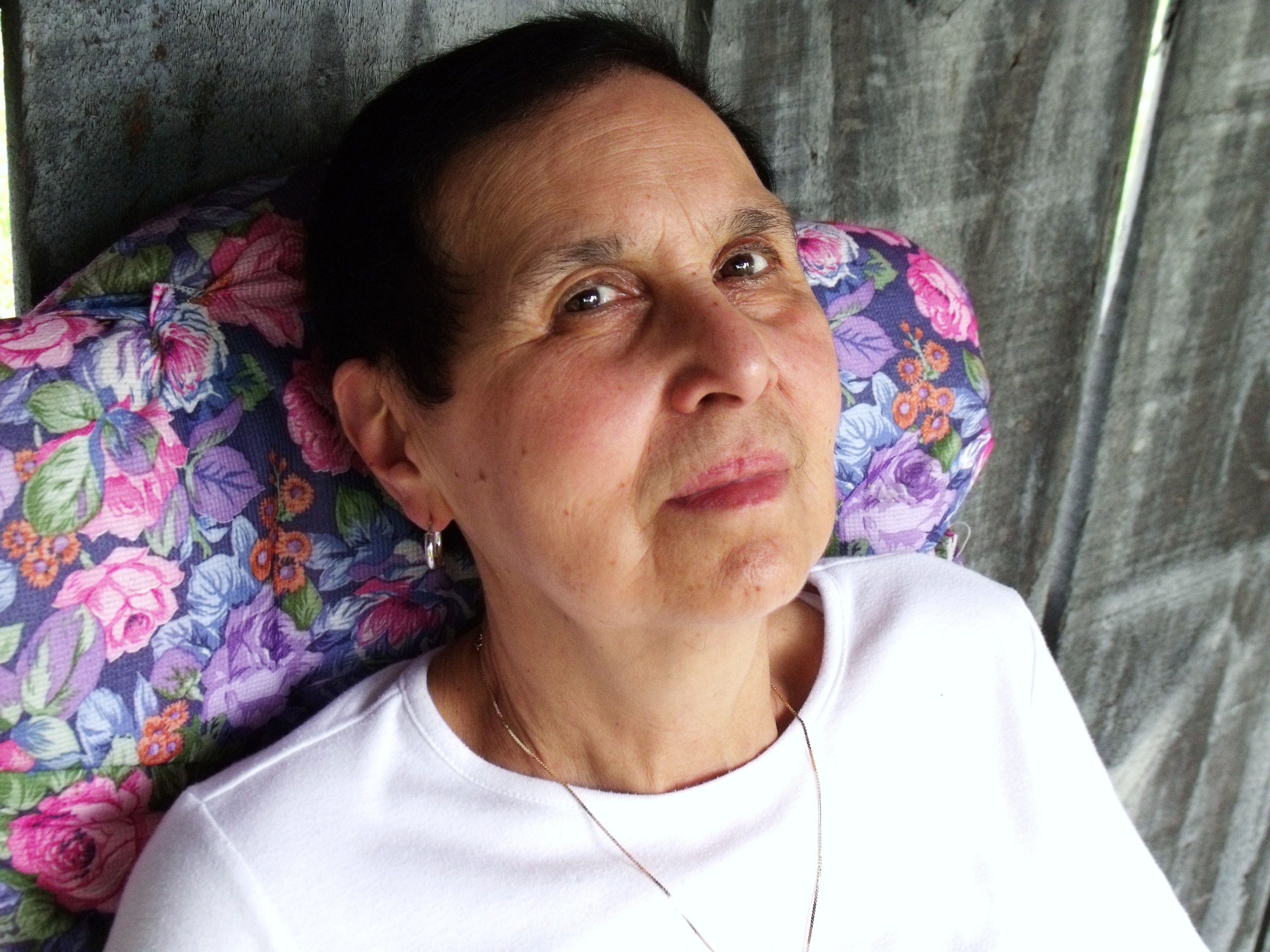
Carmella DeCosty Ruane.

These days, I think about Carm when washing the dishes she gave me or ruminating about how she would have loved spoiling my son, Colin.

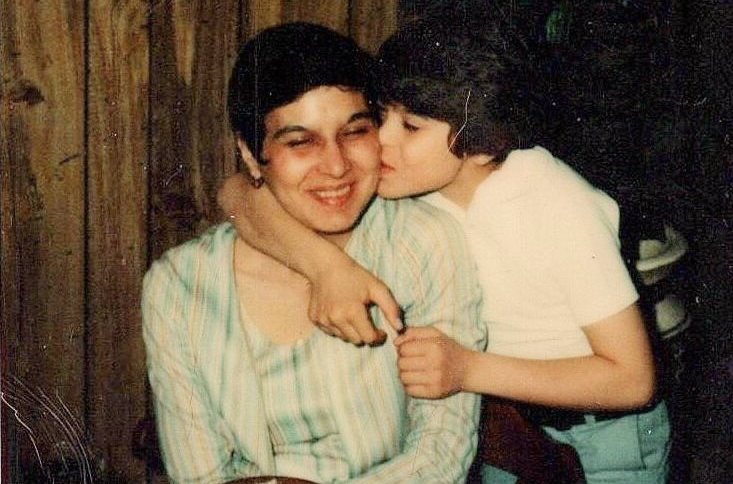
My parents and my sister, Lisa, kissing me.

Here are two poems that capture the memory and spirit of my mother.

Morning Coffee

My mother sits
in the kitchen chair
after she recites
her morning prayers.
Sunlight streams through
the lace curtains
and cigarette smoke
is suspended in the air.
She bows her small head
and presses her fingers
to the bridge of her nose,
as she contemplates
the chores for the day,
while her milky coffee cools
in a blue ceramic mug
resting within reach
on the laminate counter.

Vestiges

My parents are gone.
They walk the earth no more,
both succumbing to lung cancer,
both cremated and turned to ash.

With each passing year,
their images become more turbid in my mind,
as if their faces are shielded
by expanding gray-black clouds.
I try to retain what I remember—
my father’s deep-set, dark eyes and aquiline nose,
my mother’s small head bowed in thought or prayer
while smoking a cigarette in the kitchen.

I search for their eyes
in the constellations of the night sky.
I listen for their voices in the wind.
Is that plastic bag snapping in the breeze
the voice of my father whispering,
letting me know he’s still around …
somewhere … over there?
Does the squawking crow
perched in the leafless maple tree
carry the voice of my mother,
admonishing me for wearing a stained sweater?

Resorting to a dangerous habit,
I use people and objects as “stand-ins”
for my mother and father,
seeking in these replacements
some aspect of my parents’ identities.

A sloping, two-story duplex with cracked green paint
embodies the spirit of my father saddled with debt,
playing the lottery, hoping for one big payoff.
I want to climb up the porch steps and ring the doorbell,
if only to discover who resides there.

In a grocery store aisle on a Saturday night
I spot an older woman
standing in front of a row of Duncan Hines cake mixes.
With her short frame, dark hair, and glasses,
she casts a similar appearance to my mother.
She is scanning the labels,
perhaps looking for a new flavor,
maybe Apple Caramel, Red Velvet, or Lemon Supreme,
just something different to bake
as a surprise for her husband.
A feeling strikes me and
I wish to claim her as my “fill-in” mother.
I long to reach out to this stranger in the store,
fighting the compulsion
to place a hand on her shoulder
and tell her how much I miss her.

I fear that if my parents disappear
from my consciousness,
then I too will become invisible.
And the reality of a finite lifespan sets in,
as I calculate how many years I have left.
But I realize I am torturing myself
with this twisted personification game.
I must remember my parents are dead
and possess no spark of the living.
And I can no longer enslave them in my mind,
or try to resurrect them in other earthly forms.
I have to let them go.
I have to dismiss the need for physical ties,
while holding on to the memories they left behind.

And so on the night I see the woman
in the grocery store aisle,
I do not speak to her,
and she does not notice me lurking nearby.
But as I walk away from her,
I cannot resist the impulse to turn around
and look at her one last time—
just to make sure
my mother’s “double” is still standing there.
I want her to lift her head and smile at me,
but she never diverts her eyes
from the boxes of cake mixes lining the shelf.

Standard

The Casualties of Autumn

It’s the season of beautiful colors, exquisite light and streaming A Charlie Brown Christmas by the Vince Guaraldi Trio. While returning home from a recent jog, the piles of leaves in my neighborhood incited an idea for a poem. Fortunately, I had a pen and some paper to capture the idea before it slipped away.

The Casualties of Autumn

Every leaf strewn in a pile
collected at the curb
had a life before it
separated from the tree
and twirled to the earth.
Is there a home reserved
for the departed souls of leaves—
a place of repose
for the casualties of autumn?


Standard

Falling Back

To mark the end of Daylight Saving Time, I present a poem inspired by autumn scenery. I drafted this poem more than 25 years ago while living with my sister in Toledo, Ohio. I have revised it multiple times over the years, never satisfied with the final result. While this version may not be perfect, I think it’s about the best I can do, and so I release it here.

Falling Back (2024)

Alone on an empty school playground in Toledo, Ohio,
my worn-out sneakers shuffle on asphalt
as I practice left-handed hook shots
on a bent basketball rim with a rusted chain-link net.
The sound of the bouncing ball reverberates
off the school’s red brick façade,
as my reflection jumps out at me in the first-floor windows
adorned with orange paper jack-o’-lanterns.

A towering oak tree with branches like octopus tentacles
observes me as I heave an air ball from three-point land.
It studies my movements while a sharp wind
strips away its cloak of golden-brown leaves.

The cold sticks to my fingertips as I lick them
to get a better grip on the Spalding rubber ball.
And with my nose running incessantly and my chest heaving,
I swallow the chill in the air, trapping it deep inside my lungs.

I pick up my dribble—then stop, smell, look and listen.
Streetlights flicker on in the suburban neighborhood,
and across the road, a pumpkin is perched
on the porch of a modest white house.
The scent of burning leaves wafts in the air.
Charcoal-gray clouds brood in the sky,
and on the western horizon, near a row of pine trees,
there’s a feathering of soft pink light.

At the nearby park, soccer goals stand naked and netless,
and on the gravel softball field,
silence reigns on the base paths and outfield grass.
In the schoolyard, monkey bars are free of tiny, groping hands,
and empty swings sway in the stiff breeze—
calling out for the children to return.

But summer delight has long since passed,
and now Daylight Saving Time concludes again,
with me falling back to the days of my youth in Rome, New York.
I remember two-hand-touch football at Franklyn’s Field,
Friday nights watching the Rome Free Academy Black Knights
trounce visiting opponents under bright stadium lights,
blades of grass and windshields glazed with morning frost,
and autumn’s first taste of a juicy Macintosh.
There is magic and harmony in nature’s ever-spinning cycle.
I need only to look around,
and I find myself back in upstate New York—
my body planted in Ohio, but my mind
transported home to my native land.

Now, since autumn is on my mind with another page of the calendar being ripped, October giving way to November, I want to share some family photos from Halloween.

Colin Joe walking in his school parade.

It was a special day for our family since our eight-year-old autistic son, Colin, participated in a parade at his elementary school and was excited and eager to go trick-or-treating in our neighborhood.

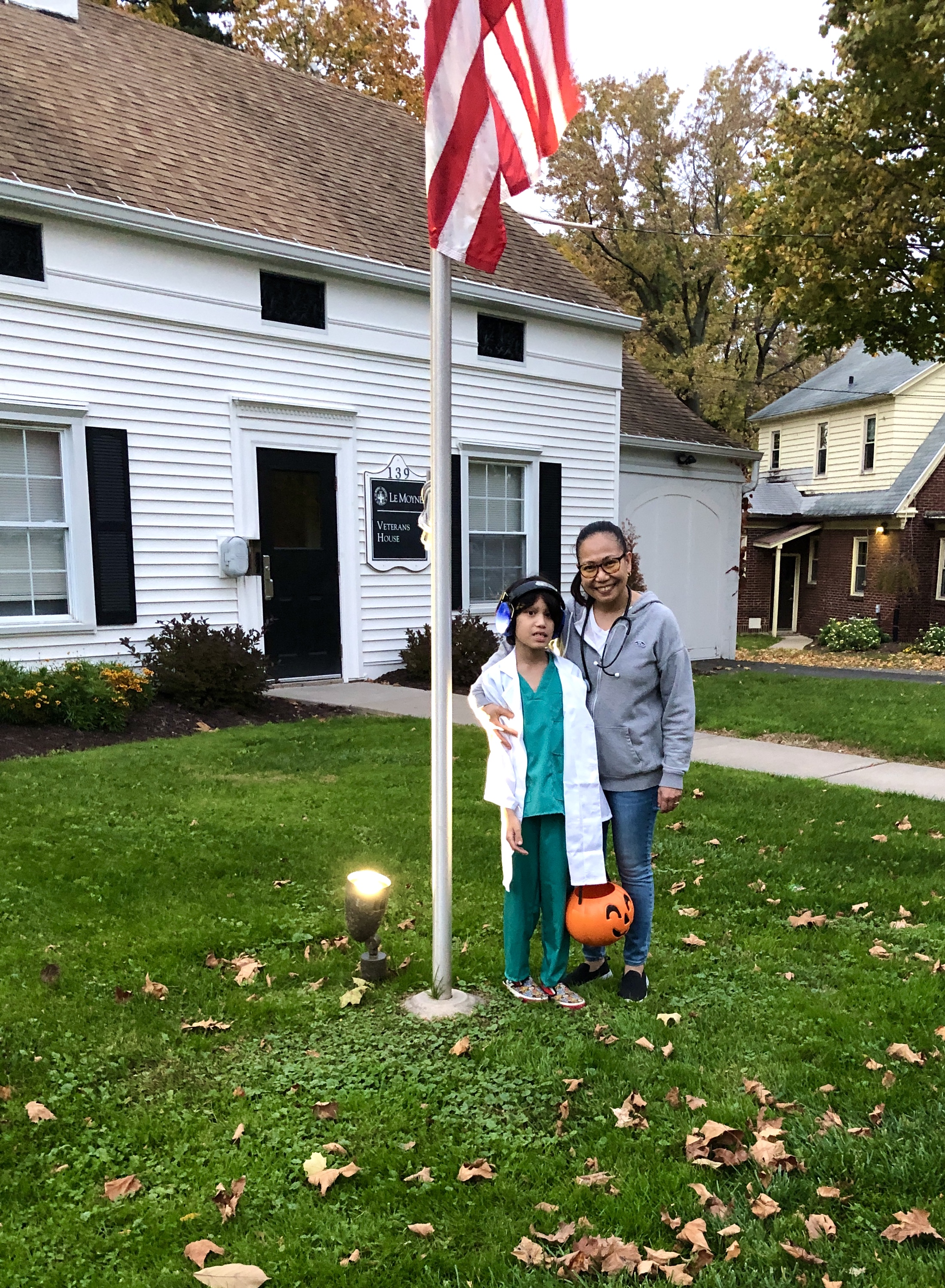
Colin Joe dressed as a doctor for Halloween.

In other years, we had to drag him out of the house. This year, dressed in his doctor’s costume, he slipped on his sneakers and gripped his pumpkin candy bucket, leading Mom and Dad in search of treats.

Pam and Colin, Halloween 2024.

Standard

A Poem for Autumn

Now that we’re well into October, I’ve broken out the winter coat and put rock salt and shovels in the tool shed. While I love the light and colors of autumn, the change of season ushers in a feeling of trepidation. Fall to me is more than playoff baseball, apple fritters, and pumpkin-spiced coffee (or lattes or whatever other beverages they doctor with pumpkin spice).

Genesee Street Tree. Photo by Francis DiClemente.

Autumn is a time of preparation for yet another Central New York winter, which means heavy coats and boots, shoveling and salting, and trying to avoid slipping and shattering a hip.

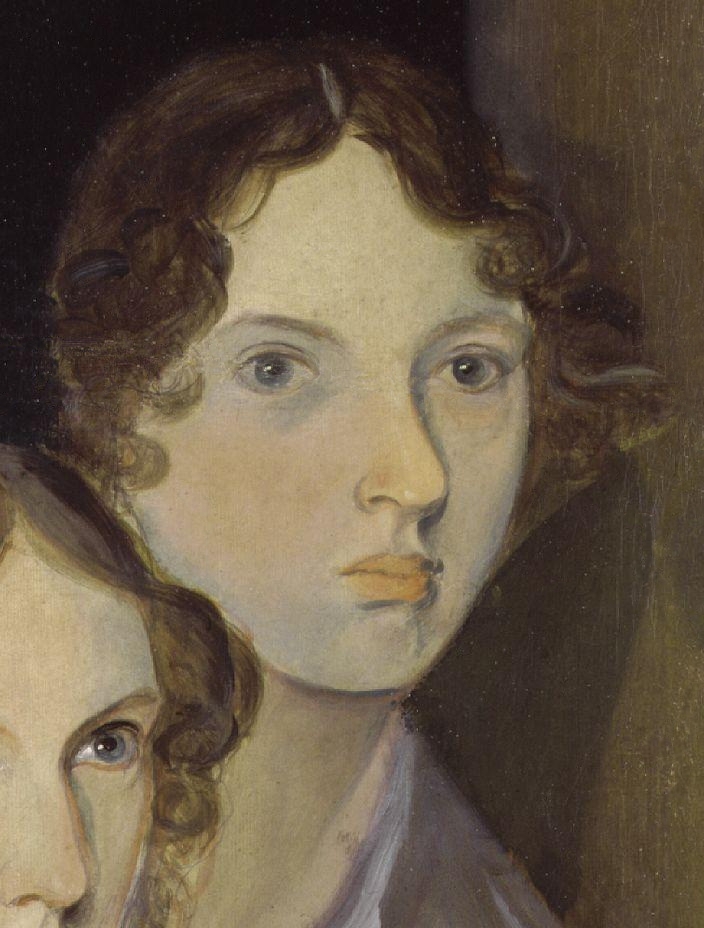
With these thoughts heavy on my mind, I discovered an autumn-themed poem written by Emily Brontë. Something about the words made me think I could hear Robert Smith of The Cure singing them as lyrics to a song. And speaking of music: I will listen to the album October by U2 from start to finish to deepen my autumn mood.

Emily Brontë by Patrick Branwell Brontë

Fall, leaves, fall

Fall, leaves, fall; die, flowers, away;
Lengthen night and shorten day;
Every leaf speaks bliss to me
Fluttering from the autumn tree.
I shall smile when wreaths of snow
Blossom where the rose should grow;
I shall sing when night’s decay
Ushers in a drearier day.

Standard

Happy Accidents

It’s been over a month since I’ve posted anything on the blog. I’ve been inundated at my day job and working on some long-term writing projects in my off hours—plugging away in the messy, first-draft stage.

And in reviewing some old poems recently, I found a few that are my favorites. I thought I would share them.

They’re not the best poems in the world. I have no inflated sense about their worth.

But I love them because they were delivered to me almost in complete form, needing little revision. Instead of writing the poems, I merely served as a portal through which they could be born.

Phoenix landscape.

The first one I wrote under my carport in the parking lot at my apartment complex in Phoenix, Arizona (sometime between 1998 and 2001). I had been out driving late at night with the windows open, looking at the stars, smelling the desert sage, and listening to “Terrapin Station” by the Grateful Dead.

And these words came to me as I shut off the engine. I changed only two lines slightly in the final version.

Revelation (final)

A courtship of contempt,
filled with swirling fury and churning angst,
not halted by the hands of God.
Zealous rituals express unwavering faith,
and outstretched arms set hearts aflame.

Trees topple under a crescent moon—
a gleaming scythe that carves the frost-burnt night,
invoking stones to crush the gnarled root,
as fragments of identity rupture
into paralyzing self-hate.

Revelation (rough)

A courtship of contempt,
filled with swirling fury and churning angst,
not halted by the hands of God.
Zealous rituals express unwavering faith,
and outstretched arms set hearts aflame.

Trees topple under a crescent moon—
a gleaming scythe that carves the frost-burnt night,
invoking stones to crush the gnarled root,
as fragments of salvation disintegrate
into insurmountable self-hate.

Three other poems from that same Phoenix period follow. “Side Dish” emerged from one my evening walks before heading to work as a night shift news editor.

Inaudible Expression

A great sigh emitted,
arising and then dissipating,
but remaining forever unheard,
the echo of a soul reverberating,
in resignation of the inexorable.

The Feast of Life

Swallow the anguish.
Extract the juice
of this bitter fruit,
and expel the residue
upon the already
splattered canvas.

Side Dish

A mundane scene of modern living
played out one evening
while I walked along Ninth Street
near East Grovers Avenue in north Phoenix.

I heard the sound of a sliding glass door
opening from behind a retaining wall
running parallel to the sidewalk.

And although I had
no intention of eavesdropping,
I then overheard a woman call out:
“And now the great vegetable debate, green beans or corn?”

The question evoked a few seconds of silence,
followed by a man’s reply:
“Uh . . . both,” he said.

And as I turned the corner,
heading up the next block,
I was tempted to stop and ask the couple,
“Hey, what else is for dinner?”

The last poem popped into my head while driving eastbound on the New York State Thruway between Syracuse and Rome (sometime between 2006 and 2008).

Departure

Vagabond bones creakin’ down the road,
bound for somewhere in between,
a home-sweet-home dissenter,
relishing the unknown.


Standard

Saturday Morning

I was reviewing some old poems and came across this little throwaway. I thought I’d share it as a reflection for today:

Saturday Morning

There’s something special
about Saturday mornings—
waking up with no demands to be met
and owning the hours you clock.
So what are your plans today?

Standard

Smiles of a Summer Night

I’ve been digging through some old poems and found an unpublished poem inspired by Swedish director Ingmar Bergman’s 1955 comedy Smiles of a Summer Night.

Bergman is a huge inspiration for me, and I’m obsessed with his work. But Smiles is too light for my taste. I prefer the more somber, melancholy Bergman works—The Seventh Seal, Wild Strawberries, Persona, Through a Glass Darkly and Winter Light.

Nonetheless, I’m glad his summer comedy led to a poem. The verse never found its way into one of my collections because I don’t think it’s worthy of publication. I’m posting it here only because summer is slipping away, and I think it captures the feeling of the season.

Smiles of a Summer Night
(With Apologies to Ingmar Bergman)

Smiles of a summer night
emerge on a human canvas
smeared with cotton candy
and dripping watermelon juice.

Smiles of a summer night
collide in a lovers’ embrace
shielded by corn stalks.

Smiles of a summer night
burst open in collective
“oohs” and “ahs”
elicited by fireworks.

Smiles of a summer night
come caked with dirt after a
head-first slide into home plate.

Smiles of a summer night
are everything that is possible
under the setting sun.

Smiles of a summer night
are fleeting, fleeting, fleeting.
And smiles of summer night
with the onset of September are done.


Standard

Poetic Precision

During my staycation this week, I ventured to Bird Library at SU to peruse some novels by Larry McMurtry (author of Lonesome Dove, Terms of Endearment and The Last Picture Show). I took a little literary detour when I got sidetracked in the stacks—flipping through the volume New and Selected Poems by Samuel Menashe. Menashe’s author photo caught my attention because he reminds me of a young Christopher Walken.

New and Selected Poems by Samuel Menashe.

I’m drawn to Menashe’s concise and illuminating poems that tackle the universal themes of life, death and existentialism.

Here are some of my favorite poems.

Autumn

I walk outside the stone wall
Looking into the park at night
As armed trees frisk a windfall
Down paths that lampposts light.

The Dead of Winter

In my coat I sit
At the window sill
Wintering with snow
That did not melt
It fell long ago
At night, by stealth
I was where I am
When the snow began.

The Living End

Before long the end
Of the beginning
Begins to bend
To the beginning
Of the end you live
With some misgivings
About what you did.

Grief

Disbelief
To begin with—
Later, grief
Taking root
Grapples me
Wherever I am
Branches ram
Me in my bed
You are dead.

Voyage

Water opens without end
At the bow of the ship
Rising to descend
Away from it

Days become one
I am who I was.

Passive Resistance by Samuel Menashe.

Downpour

Windowed I observe
The waning snow
As rain unearths
That raw clay—
Adam’s afterbirth—
No one escapes
I lie down, immerse
Myself in sleep
The windows weep.

Samuel Menashe: New and Selected Poems, Bloodaxe Books; revised edition (January 1, 2009).

Standard