Black Box experimental film

For a recent film festival, I had to submit my project through an unlisted YouTube account. Now I’d like you use that account to upload some past projects.

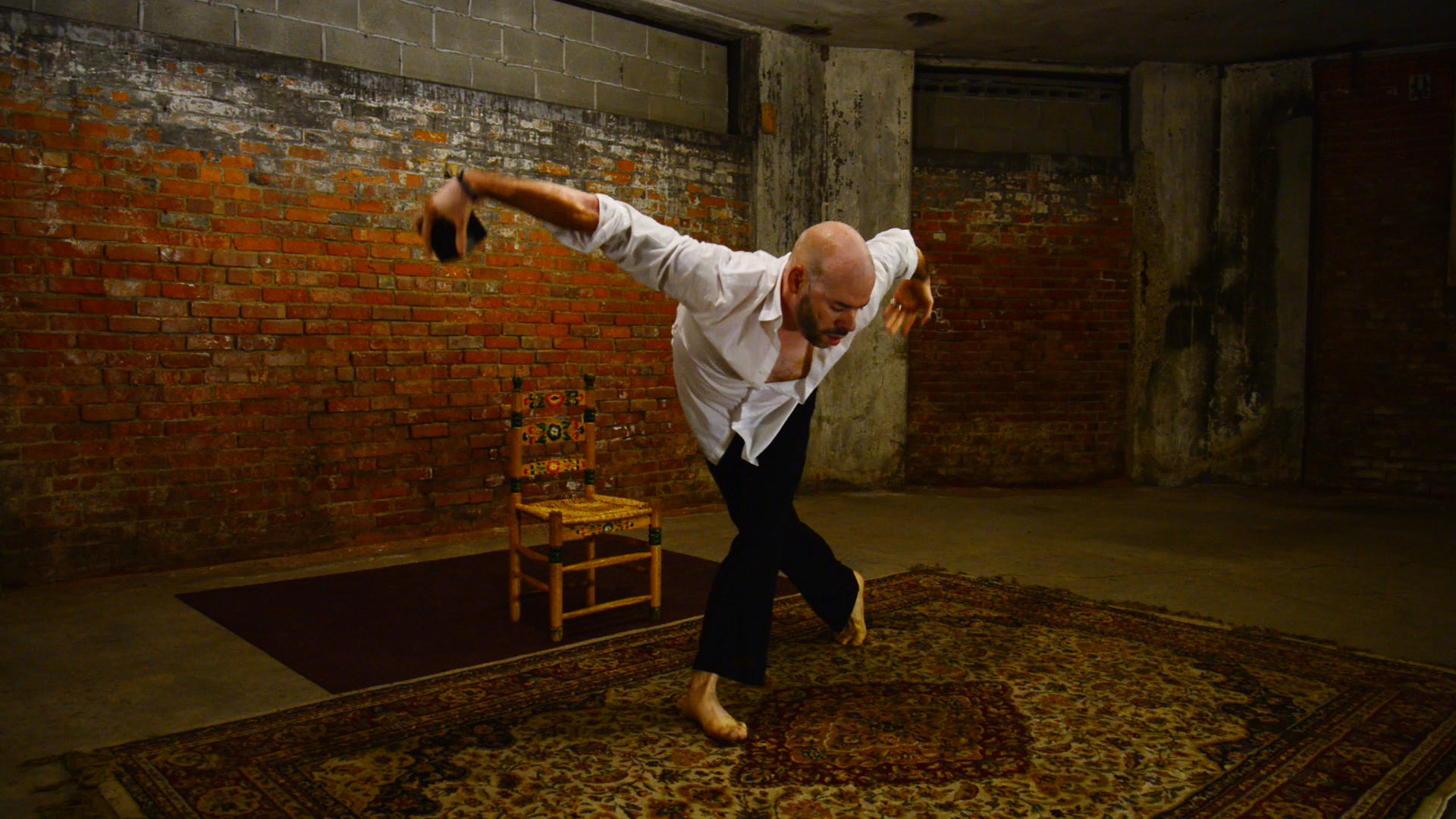
The first is Black Box, a 2013 experimental short film that uses the power of music and dance to explore emotions. In the strictest sense, it is a dance film; however, it serves as a conceptual video art piece as opposed to a straight performance work.

The dancer in the piece clutches a black box representing the human heart as a repository of life’s emotions. It is a metaphor for the turmoil and pain we carry inside. Through a series of movements, the character becomes free from the heavy burden of the black box, and he can leave it behind and thus arrive at a state of inner peace.

The idea for this video originated with the music, the second movement of Franz Schubert’s Death and the Maiden. I had always loved this melancholy and stirring piece and thought it could serve as the foundation for an artwork if the song was married to powerful visuals.

Once I developed the concept and treatment for Black Box, I turned to choreographer and dancer Brandon Ellis. Ellis interpreted the concept and developed and executed the dance routine.

For the production I collaborated with Michael Barletta and Courtney Rile, founders of the Syracuse, New York-based production company Daylight Blue Media.

Credits:

Choreography by Brandon Ellis
Cinematography by Michael Barletta and Courtney Rile
Edited by Courtney Rile
Produced and Directed by Francis DiClemente

Official Selection, 2014 Athens International Film and Video Festival (Athens, Ohio)
NewFilmmakers New York screening series (2013)
 

Standard

Emmy Unboxing

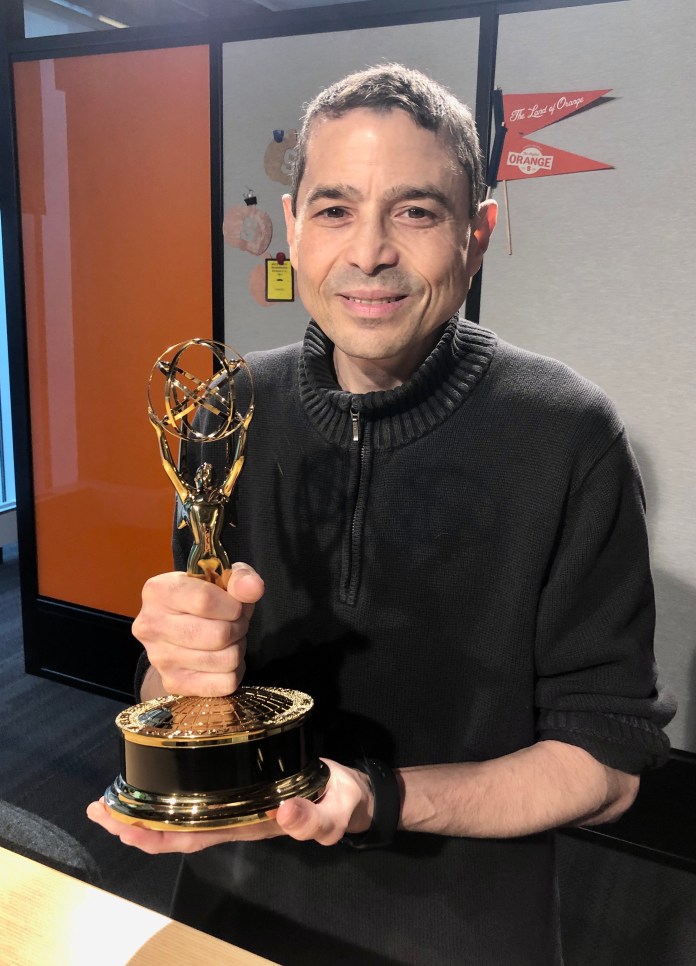
My professional and personal worlds collided this week when our marketing video team received our Emmy trophies, thanks to our senior producer, Amy Manley, who managed the logistical details and made sure each trophy had the correct information. It was honor to win the award in the branded content category, especially since each team member touched the project in some way.

I felt a little weird carrying my trophy to the bus stop and then resting it on the floor while I rode home. When I entered the house, I asked my wife, Pam, to surprise our son, Colin, who is autistic. When he saw the box, he started ripping the paper. In the video, Pam tries to prompt Colin to read the words on the black band encircling the trophy. Since he’s nonverbal, it’s our way of trying to extract words from him and improve his language processing. It was a joyous moment for our family. It also served as another reminder that my professional success can never match the love I feel for my audience of two.

Standard

Little Victories

Happy Halloween everyone. I want to share some good news. I wasn’t going to post anything about this, but then I thougth: you have to celebrate the little victories because they don’t come along that often.

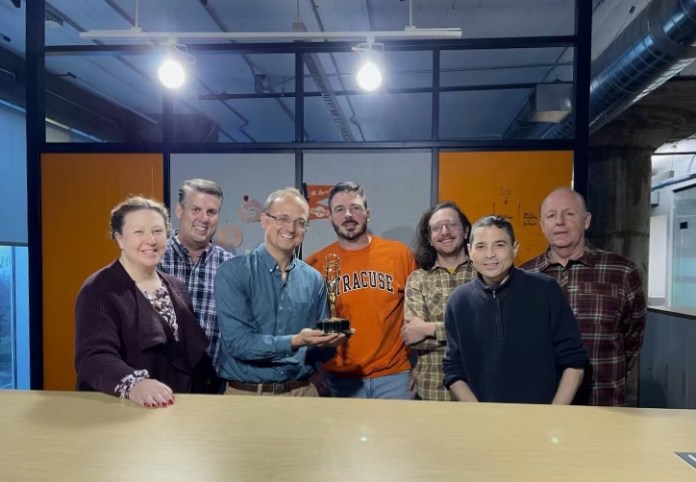
Our Syracuse University Marketing video team won an Emmy over the weekend at the 66th annual New York Emmy Awards ceremony in Manhattan.

The Emmy-winning Syracuse University Marketing video team. From left to right: Amy Manley, Joseph Heslin, Shane Johnson, Tom Colling, Joshua Waldby, Francis DiClemente, and Bob Gerbin. Not pictured: Alex DeRosa, Mary Kasprzyk, John Caiella, and Dara Royer.

Our video, Rise Beyond: Syracuse University, earned the honor in the category of Branded Content (Short or Long Form Content). The piece highlights the amazing faculty, students and alumni who pursue excellence on the Hill and beyond; in the aggregate, their individual achievements— along with the strong bond of the Orange community—define the Syracuse University brand.

Photo by Shane Johnson.

This marks my second Emmy. The first was for co-writing, producing and directing the indie documentary short The Real Bedford Falls, It’s a Wonderful Life (Honest Engine Films, 2020).

Standard

Morning Commute: Shadow Play

I captured this iPhone video while walking to work this morning. The bright sunlight produced a long shadow that preceded my footsteps.

Standard

Do We Ever See Anyone?

Do We Ever See Anyone? is an experimental film with a very simple premise. The piece consists of a single stock footage shot of pedestrians in Manhattan. I slowed the footage down so the viewer could study the faces of the people walking on the busy street.

Standard

Essay: I Close My Eyes When I Edit

I have a short essay that’s published in the June 2016 online edition of Post Magazine. The piece recounts a technique I use in editing video projects at Syracuse University. You can read the story here.

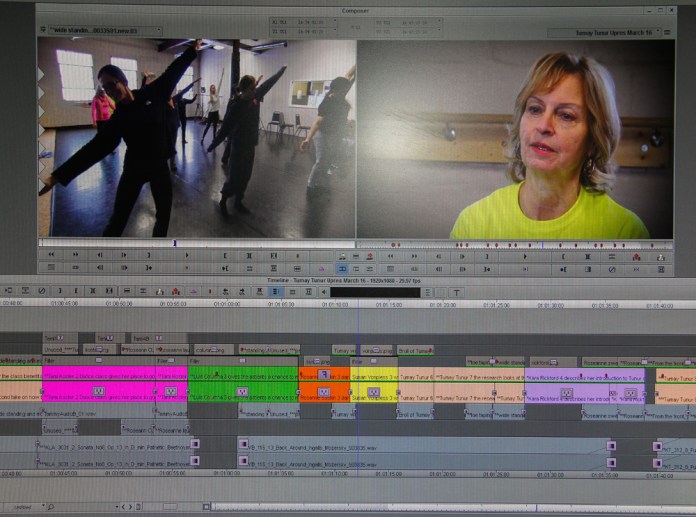
And here are images of my editing workstation that are relevant to the story.

Avid Media Composer workstation

Avid Media Composer workstation

Avid Media Composer screen shot

Close-up of video timeline in Avid Media Composer

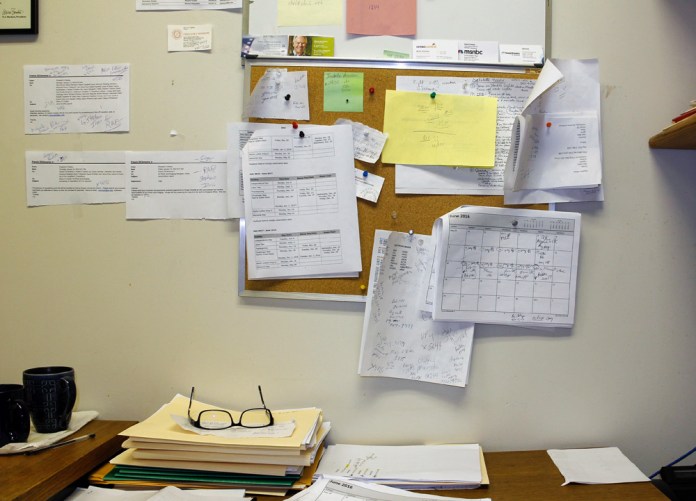
Office wall

Office wall


Standard

Fragments of the Living: A Short Film

I am excited to announce the completion of a short film, a personal project I tackled in my spare time.

Fragments of the Living is an experimental work composed of public domain home movie clips. The piece is a celebration of the American family, a nostalgic salute to the past and a meditation on the fleeting nature of life.

In researching stock footage libraries for a work project last year, I discovered several home movie files on the website Archive.org; most of the clips were dated from the 1940s to the 1960s. I became fascinated with the videos—the cinematic vestiges that originated from reels of old film stuffed in boxes and stored in dusty attics or garages.

I have always been enamored with the past, and the lure of nostalgia remains strong for me, with two examples being my love of Frank Sinatra songs and classic film noir movies. And I realized these Super 8 movies were the forerunners of today’s selfies and YouTube videos.

It’s worth noting I had no connection with the people seen on screen; the films were not my family’s home movies. As a result, I observed the images from an objective viewpoint.

I enjoyed watching the subjects’ reactions when they noticed the camera capturing their movements. Some of the people smiled and waved, while others acted coy and some girls even ran away from the lens.

One stretch of the film takes place on a street in the late 1930s or early 1940s. I’m not sure where the black and white scenes were recorded, but the place reminded me of a small town in Nebraska or Colorado, the type of community that could serve as the setting for a Kent Haruf novel.

And I wondered: were the people smiling in the frame really happy or were they just acting that way for the camera? Were they trying to present an image of a happy family because that’s what was expected of them? I wish I could have been there to see what happened when the camera turned away from them.

I also understood that many of the men and women on screen were now either dead or very old. Yet in the clips they are alive and joyous as they celebrate holidays, vacations and special occasions with their families and friends.

I wondered if the subjects realized at the time that they were experiencing the prime of their lives, that the events captured by the camera marked their happiest moments.

I wondered if it all went downhill from there? Did they watch their loved ones grow old, become sick and die? Did they suffer economic misfortune? No doubt some of the couples later divorced. Did the children in the videos grow up and leave their parents, severing family ties?

The snippets of film revealed the ephemeral nature of life. In editing the piece, I limited each clip to only a few seconds. So we see a bob of the head, a smile, a wave, a blink of the eye and then we cut to something else. And I guess that “cut to” serves as a reminder to me that time is slipping away for all of us living here in the present.

Standard

Black Box on Reelhouse

My experimental short film Black Box can now be viewed on the online distribution platform Reelhouse.org. I have submitted the piece to a number of film festivals, but I also wanted to have an online video presence so I could share the work. In addition to the film, the Reelhouse page offers background information about the project, production credits and still photos from the shoot. And so, here is Black Box.

And here are some of the still photos of dancer and choreographer Brandon Ellis.

Dancer Brandon Ellis. Photo by Michael Barletta/Courtney Rile.

Dancer Brandon Ellis. Photo by Michael Barletta/Courtney Rile.

Dancer Brandon Ellis. Photo by Michael Barletta/Courtney Rile.

Dancer Brandon Ellis. Photo by Michael Barletta/Courtney Rile.

Dancer Brandon Ellis. Photo by Michael Barletta/Courtney Rile

Dancer Brandon Ellis. Photo by Michael Barletta/Courtney Rile.

Dancer Brandon Ellis. Photo By Michael Barletta/Courtney Rile.

Dancer Brandon Ellis. Photo By Michael Barletta/Courtney Rile.

Standard